Maquia: When the Promised Flower Blooms
2018
No user ratings available yet
Representation score: 8.3 out of 10
Representation Score
Fair
2013
PGDirector
Isao Takahata
Runtime
137 minutes
Average Rating
No ratings yetNew Showbiz Analysis
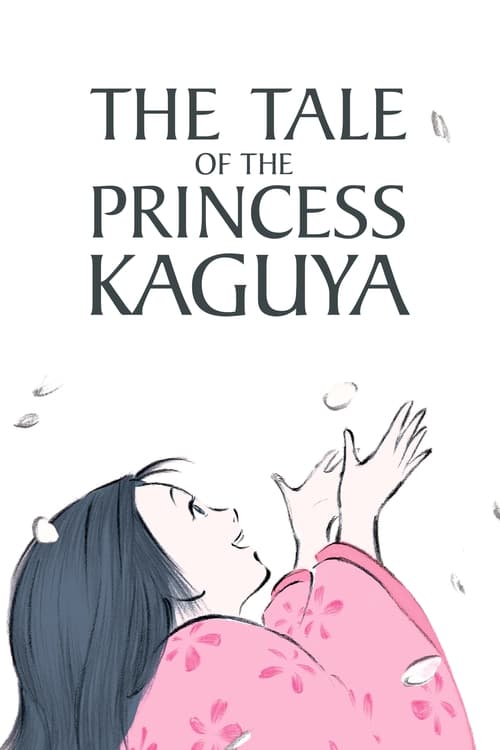
Isao Takahata’s direction transforms this folklore into a sophisticated critique of entrenched traditions. The film excels at dismantling gendered expectations and the superficial nature of social status, using Kaguya’s autonomy to challenge patriarchal constraints. Despite being culturally specific and lacking multi-ethnic or LGBTQ+ visibility, the film avoids the pitfalls of a homogenized global aesthetic. It focuses on psychological depth and the tension between personal ability to act and societal pressures. Ultimately, the work stands as a subversive drama, employing its unique aesthetic to reflect a profound struggle against the materialism and rigid hierarchies of its historical context.
Category Breakdown
The film does not explicitly depict LGBTQ+ identities or non-cisgender gender expressions. It explores resistance to traditional marriage expectations within its historical context.
Kaguya is portrayed as a strong force resisting rigid Heian-period femininity. The story challenges the 'docile maiden' stereotype by highlighting her intellect and refusal to conform to aristocratic norms.
Set in a period rooted in Japanese folklore, the film depicts a culturally uniform society. It avoids a Westernized look, instead providing a localized and authentic cultural experience.
The narrative critiques traditional institutions and the corrupting influence of social hierarchy. It challenges class divisions by presenting the protagonist's quest for freedom as a reaction to oppressive structures.
The film does not prominently feature characters with disabilities, either visible or invisible. Therefore, there is no specific representation of disability within the narrative.
Present on Screen
Limited or Absent
Official Synopsis
Found inside a shining stalk of bamboo by an old bamboo cutter and his wife, a tiny girl grows rapidly into an exquisite young lady. The mysterious young princess enthrals all who encounter her. But, ultimately, she must confront her fate.
2018
1968
2011
2020
2001
2014
2011

2015
No reviews yet. Be the first to share your thoughts on this movie!
Use the rating form above to leave a star rating and optional review.