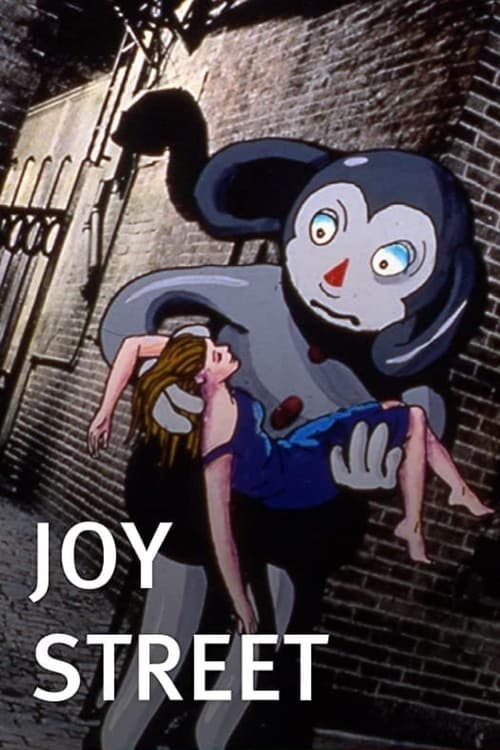
Joy Street
1995
No user ratings available yet
Representation score: 7.1 out of 10
Representation Score
Excellent
2002
13+Director
Lee Sung-gang
Runtime
86 minutes
Average Rating
No ratings yetNew Showbiz Analysis
Lee Sung-gang’s animation stands out for its commitment to psychological realism and its refusal to rely on comforting, traditional clichés. By centering on the internal landscapes of its characters, the film avoids the sanitized portrayals of adolescence often found in mainstream media. The work succeeds in providing a non-Western perspective that challenges global storytelling norms. Its focus on the fragility of human connection and the complexities of trauma offers a sophisticated, albeit heavy, viewing experience. However, the film's lack of explicit representation for specific identities, such as LGBTQ+ characters, limits its score in those categories. It remains a deeply subjective study of alienation rather than a broad celebration of diverse identities.
Category Breakdown
The film lacks explicit LGBTQ+ characters or non-cisgender identities. While it explores adolescent intimacy and sexual awakening, these themes are framed through emotional vulnerability and trauma rather than specific queer identities.
Mari serves as a central protagonist with significant psychological depth. The film avoids domestic stereotypes, instead focusing on her experience as a social outcast navigating systemic vulnerability and power imbalances.
This South Korean production offers a non-Western perspective rooted in a provincial setting. It contributes to global cinematic diversity by centering social and emotional realities outside of Anglo-Saxon storytelling norms.
The narrative critiques traditional institutions by depicting the breakdown of family and community structures. It prioritizes subjective morality and individual alienation over collectivist or prescriptive traditionalist ideals.
No physical disabilities are featured, but the film explores invisible psychological trauma. It provides a nuanced study of mental health and the neuro-emotional distress caused by social exclusion.
Present on Screen
Limited or Absent
Official Synopsis
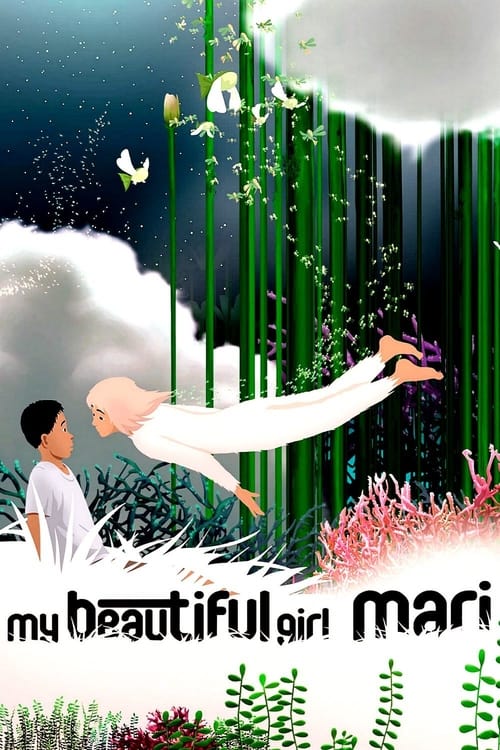
Two boys find a beautiful world of magic and wonder when they find a magic marble in an old lighthouse. There they meet Mari and can escape from the growing hardships of their home lives.
1995
2018
2019

2018
2013
2024

2022

2020
No reviews yet. Be the first to share your thoughts on this movie!
Use the rating form above to leave a star rating and optional review.