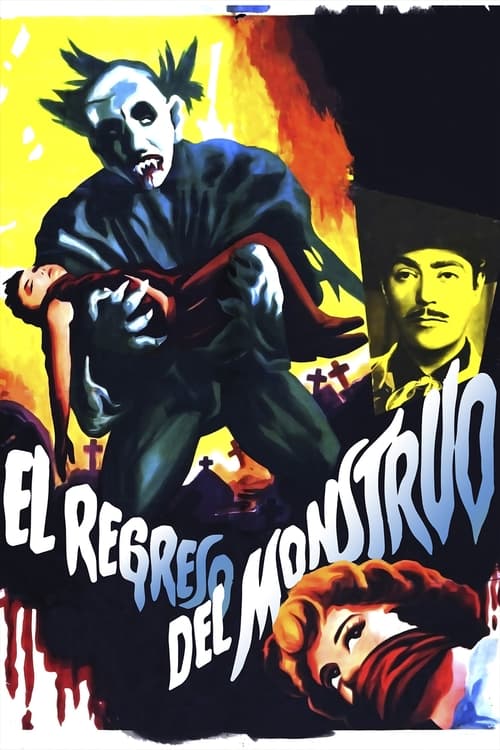
Return of the Monster
1958
No user ratings available yet
Representation score: 3.3 out of 10
Representation Score
Fair
1953
TV-14Director
Chano Urueta
Runtime
73 minutes
Average Rating
No ratings yetNew Showbiz Analysis
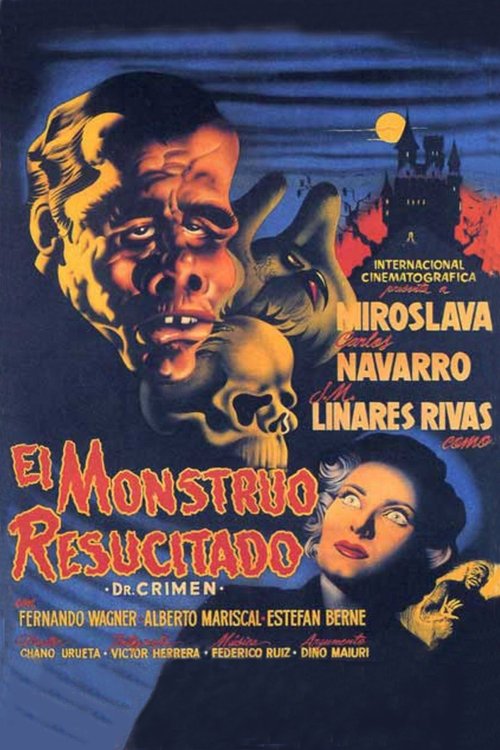
The Revived Monster follows the rigid conventions of 1950s horror. While it moves away from Western European settings, it largely adheres to established genre clichés regarding identity and power. The film relies on the 'mad scientist' archetype to drive the plot, which often sidelines women's ability to drive the story and uses physical differences as a shorthand for moral corruption. These elements prevent a deeper exploration of its diverse setting. Ultimately, the narrative reinforces traditional social hierarchies rather than challenging them, making it a product of its time rather than a progressive outlier.
Category Breakdown
The film does not include any LGBTQ+ characters or stories focusing on non-assuming gender matches what was assigned at birth identities. The main conflict revolves around a traditional, predatory heterosexual relationship between Dr. Ling and Nora.
Nora has professional independence as a journalist, but her role mainly serves to advance the male antagonist's storyline. The power dynamics emphasize traditional hierarchies and male-driven threats.
The Balkan setting and Dr. Ling's character hint at a departure from Western norms. However, it is unclear if this adds meaningful diversity or simply relies on character clichés.
The story centers on individual obsession and scientific transgressions without engaging in broader systemic critiques. It follows a traditional cautionary tale structure common in mid-century horror.
Dr. Ling is portrayed as a deformed creature shunned by society. The film uses physical deformity as a symbol for villainy, a common cliché of the era.
Present on Screen
Limited or Absent
Official Synopsis
Set in the Balkans, this story concerns a bored journalist, Nora who is ordered by her boss to follow up a mysterious advertisement placed by Dr Ling. Ling turns out to be a misshapen creature who, rejected by his peers, has become the stereotypical mad scientist, here specializing in plastic surgery. He falls in love with Nora but fearing she will betray him he resuscitates a young man who committed suicide, Ariel by transplanting a new brain into him, and order him to fetch Nora so that he can kill her.
1958
1969
1973
1935
1954

1924

1960
1960
No reviews yet. Be the first to share your thoughts on this movie!
Use the rating form above to leave a star rating and optional review.