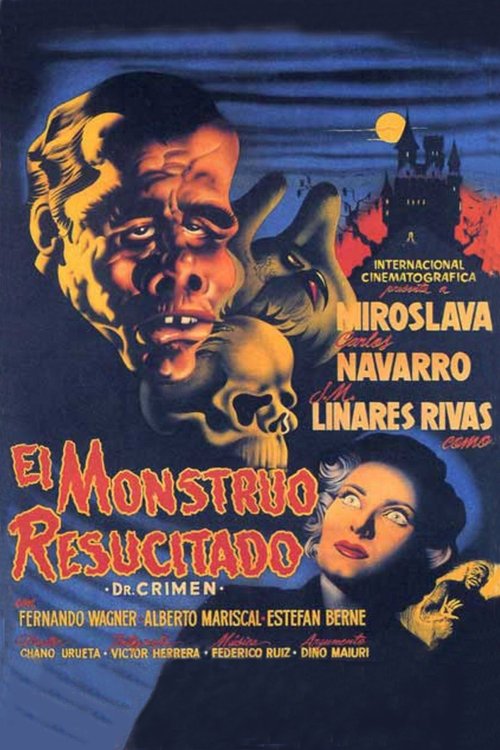
The Revived Monster
1953
No user ratings available yet
Representation score: 4.1 out of 10
Representation Score
Limited
1958
Director
Joselito Rodríguez
Runtime
63 minutes
Average Rating
No ratings yetNew Showbiz Analysis
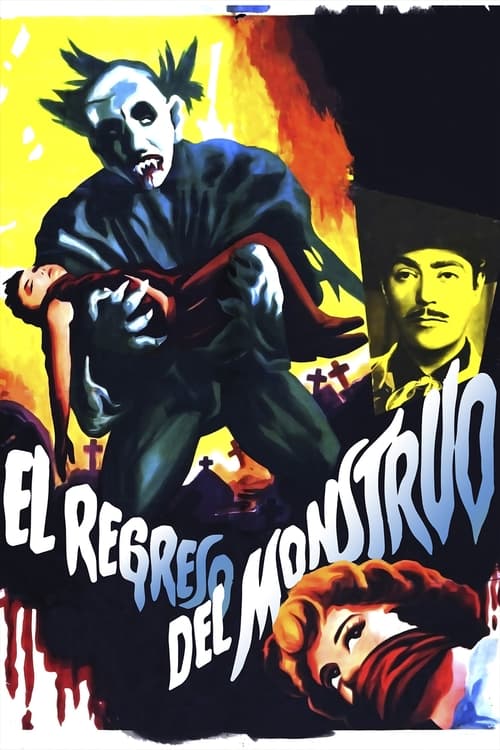
El regreso del monstruo is a classic mid-century horror film that emphasizes pulp spectacle and supernatural elements over social commentary. The narrative structure centers on metaphysical pursuits like soul transference, keeping the focus on supernatural clichés rather than identity issues. As a product of the 1950s, the film adheres to established horror clichés, limiting its engagement with diverse social perspectives or the subversion of traditional hierarchies.
Category Breakdown
The film does not include any LGBTQ+ identities or same-sex relationships. It follows the conventional straight-centered assumptions typical of 1950s horror movies.
The story focuses on the mad scientist and the monster, both played by men. There are no female characters who play a significant role in driving the story or challenge gender hierarchies.
The film operates within the Spanish-language cinematic tradition. Specific casting details are unknown, making it unclear if the production includes diverse actors or reflects a homogeneous local standard.
Themes of soul transplantation and mad science align with traditional Gothic and pulp horror. These clichés reinforce established moral binaries rather than challenging Western institutions.
Monsters and experimental subjects often represent physical or mental disabilities. However, these conditions are used primarily as plot devices or sources of fear rather than nuanced portrayals.
Present on Screen
Limited or Absent
Official Synopsis
Mad scientist is trying to transplant the soul of an animated, talking skeleton into a living body. Also, there's a monster. Number three of three in Zorro Escarlata series.
1953

1958
1961
1969
1973
1960
1959
1964
No reviews yet. Be the first to share your thoughts on this movie!
Use the rating form above to leave a star rating and optional review.