
The Empire of Dracula
1967
No user ratings available yet
Representation score: 3.4 out of 10
Representation Score
Limited
1969
PGDirector
Amando de Ossorio
Runtime
94 minutes
Average Rating
No ratings yetNew Showbiz Analysis
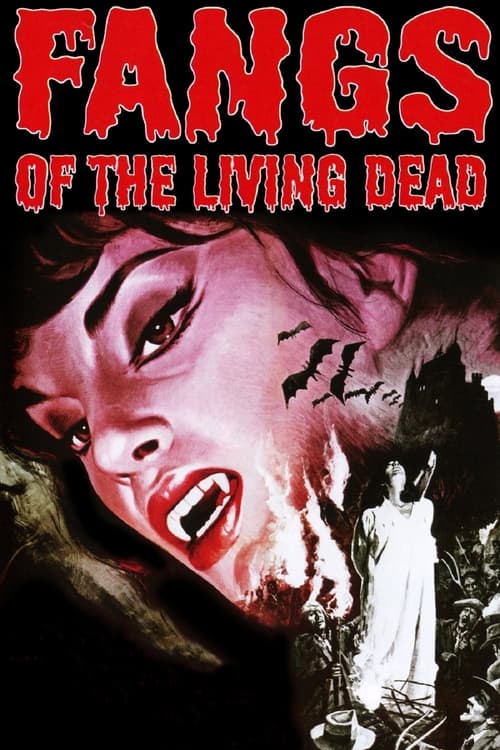
Fangs of the Living Dead is a product of its 1969 European horror context, prioritizing genre aesthetics over social subversion. The narrative reinforces traditional hierarchies rather than challenging them. The film relies heavily on established clichés, particularly regarding gender and power dynamics. While women are central to the plot, they are often positioned as victims or objects of pursuit by male figures. Ultimately, the work lacks intentionality regarding diverse representation. It functions as a standard genre piece that reflects the social norms of its era.
Category Breakdown
The film adheres to traditional assumptions where everyone is assumed to be straight or cisgender. There is no visible representation of LGBTQ+ individuals or non-binary gender identities.
Female characters often play the roles of damsels in distress or femme fatales within standard horror clichés. The male nobleman holds central authority and control over the women.
The cast is relatively homogeneous, reflecting the European production standards of 1969. The setting maintains a localized, Western-centric perspective.
The story operates within a traditional Gothic framework. It follows conventional genre-based morality rather than challenging Western institutions like religion or family.
There is no discernible representation of physical or neurodivergent disabilities. Characters function within a standard baseline of physical ability.
Present on Screen
Limited or Absent
Official Synopsis
A beautiful virgin inherits a castle, but when she arrives at it, she finds that the inhabitants include a strange nobleman and a bevy of beautiful women she suspects may be vampires.
1967
1964
1960
1960
1971

1973
1960
1972
No reviews yet. Be the first to share your thoughts on this movie!
Use the rating form above to leave a star rating and optional review.