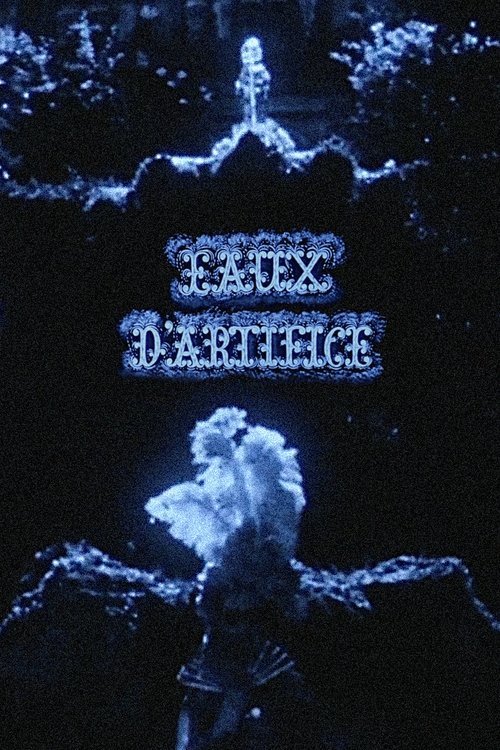
Eaux d'Artifice
1953
No user ratings available yet
Representation score: 3.0 out of 10

Representation Score
Limited
1949
Director
Kenneth Anger
Runtime
6 minutes
Average Rating
No ratings yetNew Showbiz Analysis
Puce Moment is a highly experimental work that prioritizes aesthetic disruption over social representation. It challenges mid-century cinematic norms through its surrealist approach to fashion and ritual. However, the film lacks demographic breadth, focusing on a specific high-society, Eurocentric aesthetic that excludes diverse racial and ethnic perspectives. Ultimately, the film's value lies in its structural innovation rather than its multi-layered variety.
Category Breakdown
The film does not include explicit depictions of same-sex relationships or characters who identify outside the cisgender norm. Its visual content is abstract and does not clearly represent LGBTQ+ identities.
The story centers around a female protagonist and her relationship with fashion. Surreal elements like moving furniture suggest a psychological depth that challenges passive female stereotypes.
The film focuses on a singular, Eurocentric luxury aesthetic. There is no evidence of a diverse cast or the inclusion of varied racial identities.
The work prioritizes sensory experience and surrealism over traditional Western moral structures. It rejects didactic plots in favor of a secular, avant-garde sensibility.
There is no information available regarding the depiction of physical or neurodivergent disabilities.
Present on Screen
Limited or Absent
Official Synopsis
This film resulted from the unfinished short film Puce Women. The film opens with a camera watching 1920s style flapper gowns being taken off a dress rack. The dresses are removed and danced off the rack to music. (The original soundtrack was Verdi opera music; in the 1960s, Anger re-released the film with a new psychedelic folk-rock soundtrack performed by Jonathan Halper.) A long-lashed woman, Yvonne Marquis, dresses in the purple puce gown and walks to her vanity to apply perfume. She lies on a chaise lounge which then begins to move around the room and eventually out to a patio. Borzois appear and she prepares to take them for a walk.
1953
1965
1979
1994
1993
1985
1981
1971
No reviews yet. Be the first to share your thoughts on this movie!
Use the rating form above to leave a star rating and optional review.