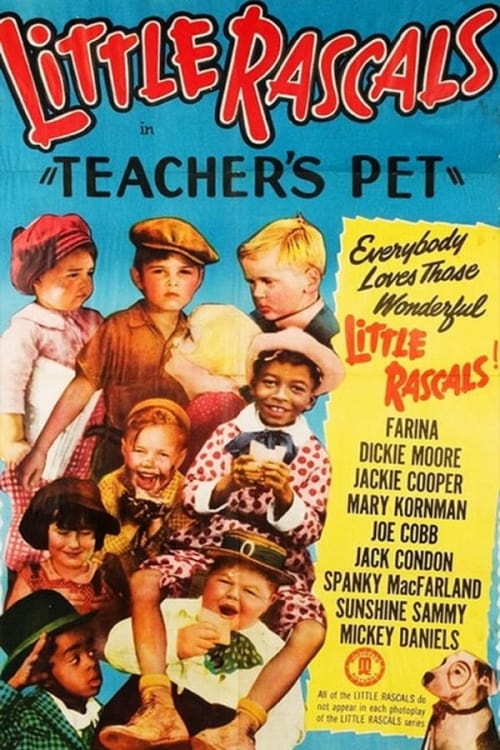
Teacher's Pet
1930
No user ratings available yet
Representation score: 2.5 out of 10
Representation Score
Minimal
1935
ApprovedDirector
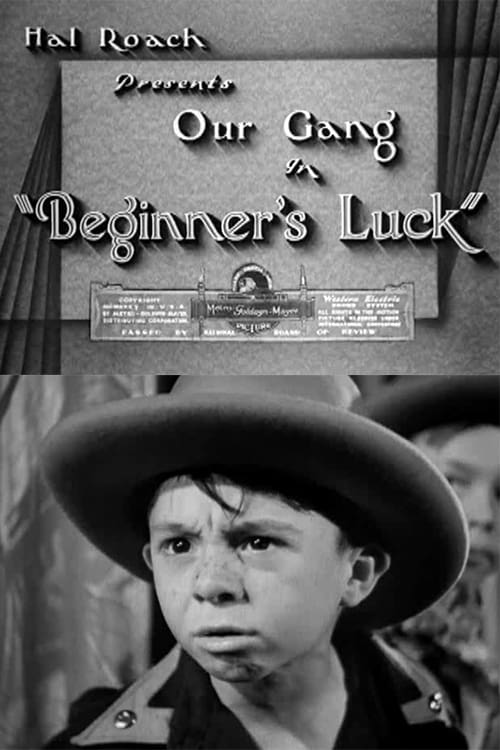
Gus Meins
Runtime
20 minutes
Average Rating
No ratings yetNew Showbiz Analysis
Beginner's Luck serves as a standard example of early studio-era family comedy, prioritizing traditional social structures over progressive representation. The narrative relies on established mid-century clichés that favor a homogeneous demographic. While the film provides a significant role to a child protagonist and his mother, it lacks complexity in reflecting multiple aspects of identity. The characters and themes align with the conventional demographic norms of 1935 American cinema. Ultimately, the film functions as a period piece that reflects the social hierarchies of its time rather than attempting to disrupt or expand them.
Category Breakdown
The film does not include any LGBTQ+ characters or narratives. It follows the assumption that everyone is straight or cisgender.
Spanky's mother plays a key role in driving the plot by encouraging his involvement in the theater. However, female roles are limited to traditional domestic or instructional functions typical of the era.
The production reflects the homogeneous casting standards of the 1930s studio system. There is no indication of significant non-white representation or diverse ethnic casting.
The story focuses on traditional community activities like amateur theater. It reinforces conventional family structures and the stability of local social institutions.
There is no evidence of characters with visible or invisible disabilities. No such characters are used as part of the narrative or plot.
Present on Screen
Limited or Absent
Official Synopsis
Spanky's mother pushes him to join a local theater amateur night.
1930
1927
1937
1929
1938
1937
1935
1938
No reviews yet. Be the first to share your thoughts on this movie!
Use the rating form above to leave a star rating and optional review.