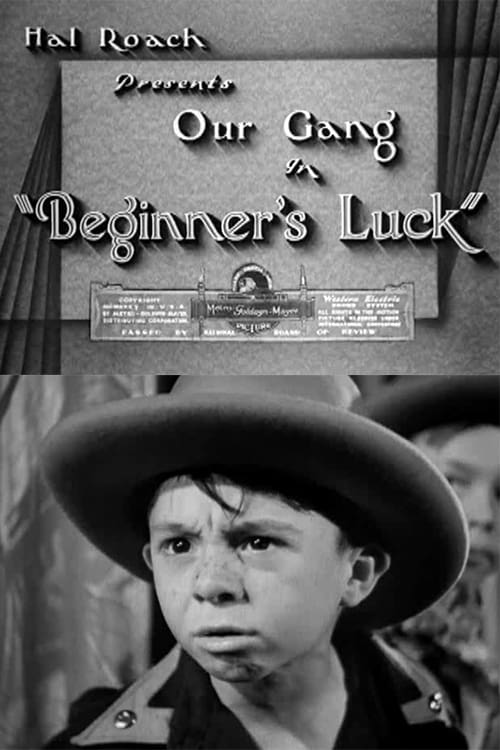
Beginner's Luck
1935
No user ratings available yet
Representation score: 0.8 out of 10
Representation Score
Minimal
1937
PassedDirector
James Tinling
Runtime
73 minutes
Average Rating
No ratings yetNew Showbiz Analysis
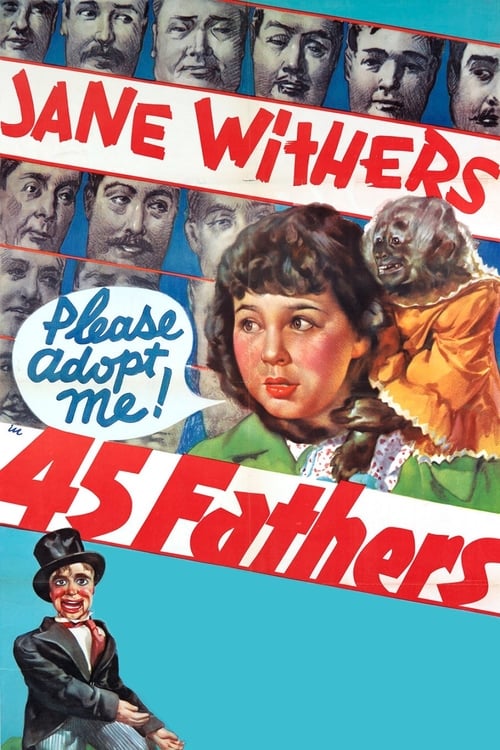
45 Fathers is a quintessential product of its time, focusing on the 'found family' cliché. The film prioritizes escapism and traditional morality, centered around an orphan finding stability through a communal paternal structure. The narrative structure aligns with the era's social hierarchies. It emphasizes a male-dominated group where the female lead serves a supportive role designed to enhance group cohesion. Overall, the film lacks complexity in representing diverse identities. It operates as a traditional musical comedy that celebrates established social norms without challenging them.
Category Breakdown
The film does not include any characters with LGBTQ+ identities or non-cisgender gender expressions. The story revolves around a traditional patriarchal structure.
Gender roles in the film reinforce traditional hierarchies. The female protagonist contributes emotionally through singing, dancing, and domestic duties within a male-dominated group.
The film likely reflects the era's preference for homogeneous, white-centric casting. There are no non-white characters shown in positions of leadership or ability to act.
The story highlights traditional communal structures and paternal guidance. It upholds conservative social values from the 1930s without questioning Western institutions.
There are no characters with visible or invisible disabilities featured in the film’s narrative or historical records.
Present on Screen
Limited or Absent
Official Synopsis
An orphan girl becomes adopted by a group of old men and is placed in the home of one of them. She sings and dances and helps out where she can.
1935
1937
1937
1958
1929
1936

1953

1935
No reviews yet. Be the first to share your thoughts on this movie!
Use the rating form above to leave a star rating and optional review.