The Little Ranger
1938
No user ratings available yet
Representation score: 0.6 out of 10
Representation Score
Minimal
1937
NRDirector
Gordon Douglas
Runtime
21 minutes
Average Rating
No ratings yetNew Showbiz Analysis
This short film serves as a historical artifact reflecting the social landscape of 1937. While it features a multi-ethnic cast, including African American performers, it remains tied to the period's restrictive social hierarchies. The production provides visibility to Black child performers but limits their ability to act through specific comedic archetypes. Ultimately, the film upholds the status quo of its time, lacking the intentionality to challenge broader cultural norms or gendered power dynamics.
Category Breakdown
The film adheres to the social structures of the 1930s, where everyone is assumed to be straight or cisgender. There is no depiction of non-binary gender identities or same-sex relationships.
Female characters perform in musical numbers but mostly follow traditional performance roles. The story follows established comedic formulas rather than challenging gendered power dynamics.
The cast includes African American performers like Farina and Buckwheat, which was a departure from the era's typical homogeneity. However, these characters operate within limited ability to act and comedic archetypes.
The story reinforces traditional Western entertainment structures and capitalist notions of merit. It lacks critique of Western institutions, resolving conflicts through standard, socially acceptable resolutions.
There are no prominent depictions of physical or neurodivergent disabilities. Characters are portrayed through standard comedic archetypes without disability serving as a narrative device.
Present on Screen
Limited or Absent
Official Synopsis
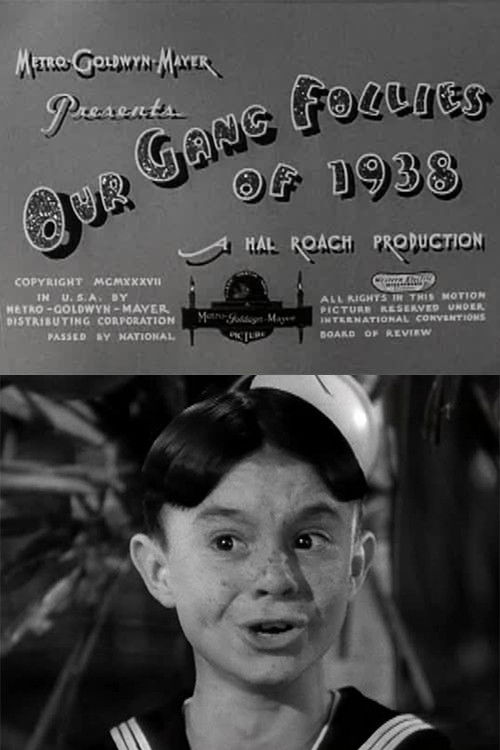
Alfalfa gives up being "King of the Crooners" to sing opera, but a nightmare of being under the thumb of an evil producer sends him back to his roots.
1938
1994
1935
1929
1931
1930
1938
1937
No reviews yet. Be the first to share your thoughts on this movie!
Use the rating form above to leave a star rating and optional review.