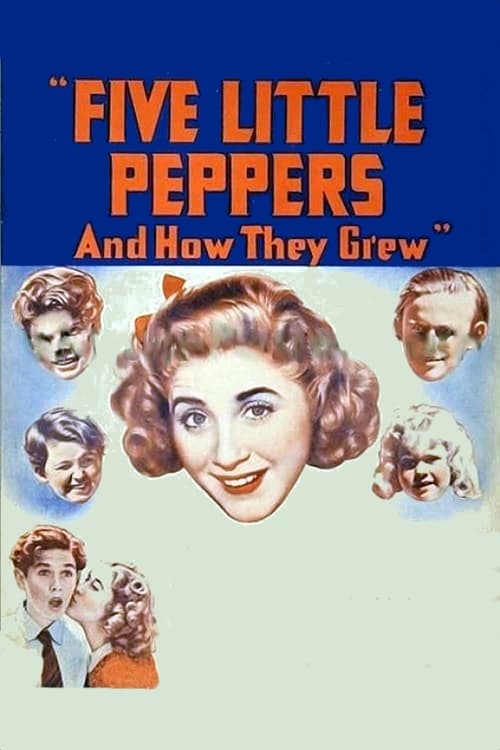
Five Little Peppers And How They Grew
1939
No user ratings available yet
Representation score: 0.3 out of 10

Representation Score
Minimal
1940
ApprovedDirector
Charles Barton
Runtime
67 minutes
Average Rating
No ratings yetNew Showbiz Analysis
Five Little Peppers at Home is a quintessential mid-century sentimentalist drama that prioritizes domestic stability and the preservation of the nuclear family. The narrative architecture adheres strictly to the social hierarchies and moral frameworks of the 1940s. The film operates within a highly traditional framework, offering little engagement with diverse identities. It reinforces established cultural norms by focusing on the maintenance of domestic order and the sanctity of the family unit.
Category Breakdown
The film does not depict any LGBTQ+ identities or queer subtext. Character dynamics focus entirely on traditional family structures.
The mother plays a significant role in managing the household and demonstrating maternal resilience. However, the film reinforces conventional 1940s gender roles rather than challenging them.
The cast and setting feature a homogeneous white demographic. There is no evidence of racial diversity or non-Anglo-Saxon characters in the primary narrative.
The story emphasizes traditional Western values like family sanctity and socioeconomic perseverance. It promotes a moral framework centered on domestic duty and authority.
An elderly partner's illness serves as a plot catalyst for financial tension. The film lacks a nuanced exploration of disability or character's ability to drive the story regarding impairment.
Present on Screen
Limited or Absent
Official Synopsis
The second entry in the four "Five Little Peppers" films finds the family struggling to keep their copper mine when their elderly business partner becomes ill.
1939
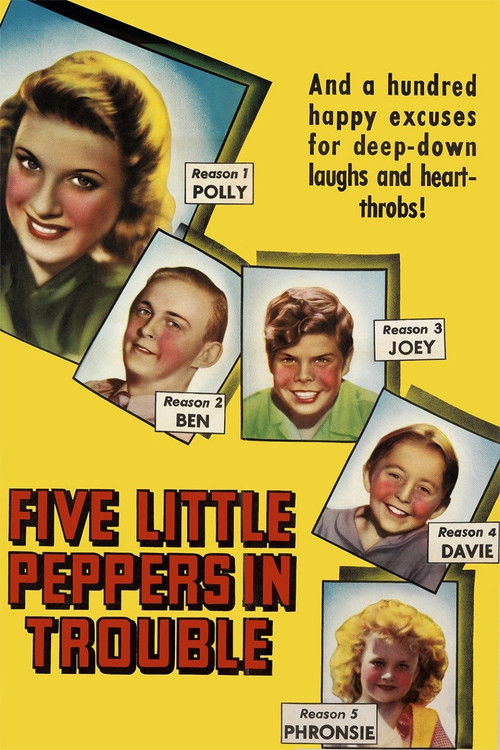
1940
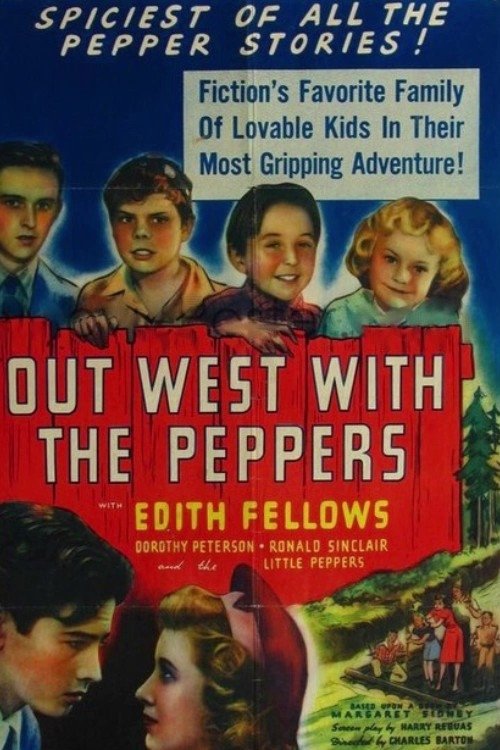
1940
1960
1967

1999
1958
1939
No reviews yet. Be the first to share your thoughts on this movie!
Use the rating form above to leave a star rating and optional review.