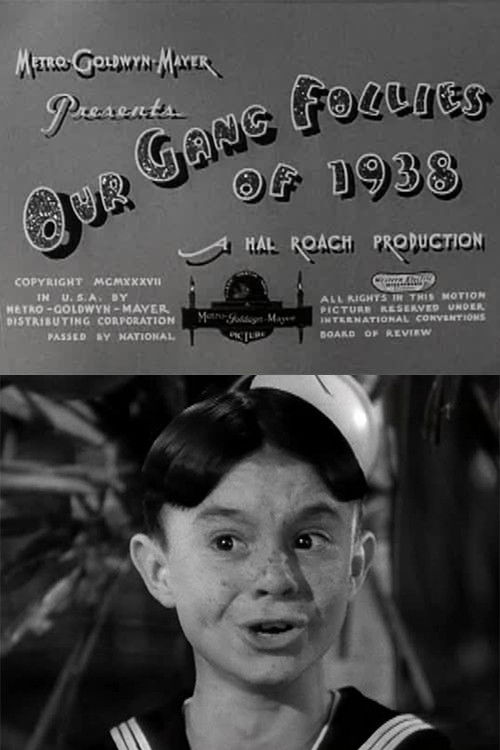
Our Gang Follies of 1938
1937
No user ratings available yet
Representation score: 1.7 out of 10
No Poster Available
Representation Score
Minimal
1938
ApprovedDirector
Gordon Douglas
Runtime
10 minutes
Average Rating
No ratings yetNew Showbiz Analysis
The Little Ranger is a quintessential product of the 1930s studio system, operating strictly within the social and narrative frameworks of its era. It relies on archetypal childhood play and traditional Western clichés to drive its plot. Since the film functions as a conventional period piece, it lacks any intention to disrupt or challenge established social hierarchies. The narrative structure reinforces the status quo rather than pushing boundaries. Ultimately, the film reflects the cultural and gendered constraints of early Hollywood, providing a predictable and traditional viewing experience.
Category Breakdown
The film focuses on a traditional love triangle between Alfalfa, Butch, and Darla, reinforcing standard heterosexual relationships. It does not include any characters with non-binary or transgender identities.
Gender roles in the film follow the conventions of the 1930s, emphasizing a male-dominated competition for a female prize. Women have little influence over the story and reinforce traditional gender hierarchies.
The film features a cast that reflects the homogeneity typical of 1930s Western comedies. There are no characters of color or diverse backgrounds given significant roles.
The story adheres to traditional Western storytelling and childhood archetypes. It upholds established social norms without presenting any secular or anti-institutional perspectives.
There are no characters with visible or invisible disabilities in the film. Disability is not used as a narrative device here.
Present on Screen
Limited or Absent
Official Synopsis
Alfalfa imagines himself as a western movie hero battling with Butch for Darla's heart.
1937
1937
1935
1937
1929
1931
1938

1933
No reviews yet. Be the first to share your thoughts on this movie!
Use the rating form above to leave a star rating and optional review.