Citizen Piszczyk
1989
No user ratings available yet
Representation score: 6.4 out of 10
Representation Score
Fair
1960
Director
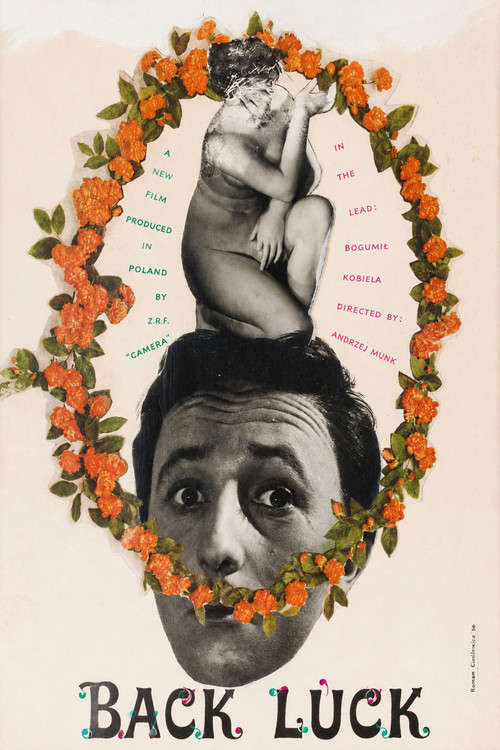
Andrzej Munk
Runtime
108 minutes
Average Rating
No ratings yetNew Showbiz Analysis
Andrzej Munk’s *Bad Luck* is an existentialist critique that prioritizes irony over traditional heroism. It successfully challenges nationalistic myths and rigid moralism, providing a nuanced look at human struggle within changing social contexts. However, the film lacks contemporary markers of diversity. It remains a homogeneous domestic portrayal that offers little representation for LGBTQ+ identities, diverse racial backgrounds, or characters with disabilities. Ultimately, the film’s strength lies in its intellectual skepticism rather than its broad demographic representation, making it a culturally significant but demographically narrow work.
Category Breakdown
The film focuses on the personal and professional struggles of a middle-aged man. It does not include any non-straight or non-cisgender identities or stories that question the idea that everyone is straight or cisgender.
Gender roles in the film reflect the social norms of the time. The protagonist faces romantic setbacks, but the film does not aim to break down traditional views of masculinity and femininity.
As a domestic Polish film, the cast is uniform. The story concentrates on the internal economic changes in Polish society without featuring any racial diversity.
Munk uses a blend of tragedy and comedy to challenge traditional institutions and moral beliefs. The film examines the absurdity of life through a skeptical lens that questions conventional views of human ability to act.
The story delves into psychological isolation and the impact of bad luck. However, it does not use characters with visible or invisible disabilities as central figures in the narrative.
Present on Screen
Limited or Absent
Official Synopsis
To convince the prison warden against releasing him, a middle-aged Polish man recounts his life, one he considers to have been characterized by exceptionally bad luck.
1989
1968

1959
1988
1996
1969
1963
2014
No reviews yet. Be the first to share your thoughts on this movie!
Use the rating form above to leave a star rating and optional review.