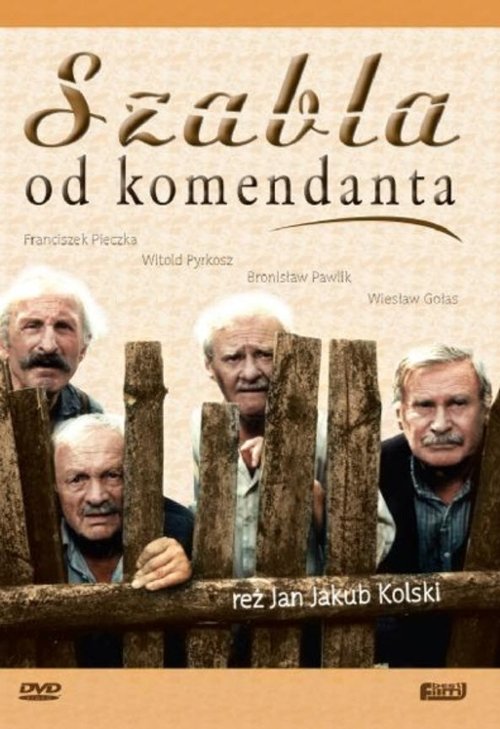
Szabla od komendanta
1996
No user ratings available yet
Representation score: 3.5 out of 10

Representation Score
Fair
1994
Director
Jan Jakub Kolski
Runtime
100 minutes
Average Rating
No ratings yetNew Showbiz Analysis
Johnnie Waterman is a folk-poetic drama rooted in Polish rural tradition. It prioritizes spiritual subjectivity and the complexities of the human spirit over modern multi-layered demographics. The film's strength lies in its intellectual engagement with moral and religious frameworks. It uses a localized setting to critique communal ethics and institutional authority. However, the work remains culturally specific and traditionally cast. It lacks the demographic variety or explicit representation of underrepresented identities expected in contemporary diverse cinema.
Category Breakdown
The film centers around a traditional marriage between Jańcio and Weronka, without any depiction of queer identities or narratives challenging the assumption that everyone is straight.
The story explores the tension between the male wanderer and the female anchor. Weronka bears the weight of domestic survival while Jańcio pursues an itinerant life, highlighting traditional gender roles.
Set in a rural Polish environment, the film reflects the demographic realities of 1990s Poland. It emphasizes regional folk identity over ethnic diversity.
The narrative offers a nuanced view of spirituality, portraying a personal harmony with God rather than rigid dogma. It uses a protagonist's subjective belief to challenge organized religious dominance.
The film explores themes of frailty and vulnerability through a dying mare. However, it lacks specific representation of human physical disabilities or neurodivergence.
Present on Screen
Limited or Absent
Official Synopsis
On the road wandering minstrel finds a mare, which, upholstered and sickly, is dying. He buries mare and casts a curse in the village where the animal was tortured. In the village lives Jańcio, a philosopher, a man loving life and his young wife, Weronka. Jańcio lives in harmony with God and is not expecting that he will be put to the test by him. He is convinced he has the power to make miracles. He leaves his pregnant wife, and goes to see the world, promising to return before the due date.
1996
1969

2007
1962

1982

2017
2000

1994
No reviews yet. Be the first to share your thoughts on this movie!
Use the rating form above to leave a star rating and optional review.