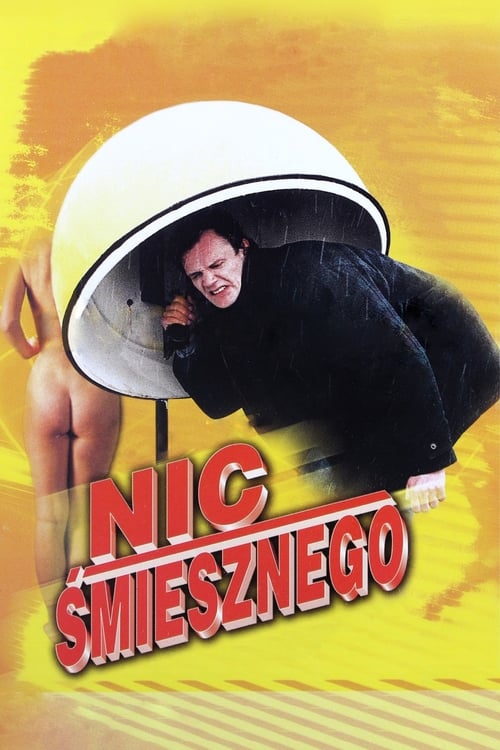
Nothing Funny
1996
No user ratings available yet
Representation score: 4.9 out of 10
Representation Score
Limited
2002
Not RatedDirector
Marek Koterski
Runtime
93 minutes
Average Rating
No ratings yetNew Showbiz Analysis
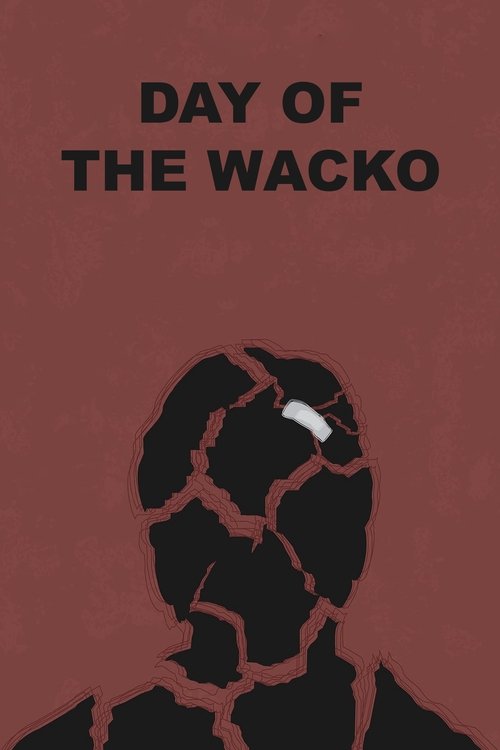
Day of the Wacko is a deeply localized, character-driven existential work. It prioritizes the deconstruction of the individual over demographic breadth or characters who reflect more than one aspect of diversity. The film's value lies in its postmodern critique of modern life and the failure of social institutions. While the film lacks identity-based diversity, it succeeds in disrupting the expectation of a functional, integrated social actor. It portrays the breakdown of social cohesion through a highly specific cultural lens.
Category Breakdown
The film focuses almost entirely on the protagonist's internal psychological state. It lacks LGBTQ+ characters or narratives that explore non-assuming gender matches what was assigned at birth identities.
The story centers on a male protagonist's existential crisis. Women appear mostly in the background, lacking significant roles or disruption of gendered power dynamics.
Set in an urban Polish environment, the film reflects a highly homogeneous social landscape. It lacks diverse ethnic representation or casting that ignores traditional racial expectations.
The film engages deeply with postmodernist themes and critiques modern structures. It portrays the protagonist's struggle against bureaucracy as a form of existential rebellion.
The narrative provides a bleak portrayal of mental health struggles and neuroses. However, these are treated as existential studies rather than explorations of neurodivergent experiences.
Present on Screen
Limited or Absent
Official Synopsis
It is a bitter story about a middle-aged man, who hates his life and other people, including himself. Adam Miauczynski, the character known from director Marek Koterski's previous films, is a 49 year-old teacher, who reads poetry during school lessons and later goes home swearing and calling his neighbours' names. The worst pain for him is the next 5 minutes of living. He doesn't accept himself and even everyday contacts with others cause his aggression. Though constantly dreaming of a romantic love, he is not bold enough to make his dreams come true. The desperate Miauczynski personalizes our own fears and obsessions, which have become so visible recently.
1996
2004
1996
2009

2006
2003

2002
1993
No reviews yet. Be the first to share your thoughts on this movie!
Use the rating form above to leave a star rating and optional review.