Carrie
1952
No user ratings available yet
Diversity score: 3.1 out of 10
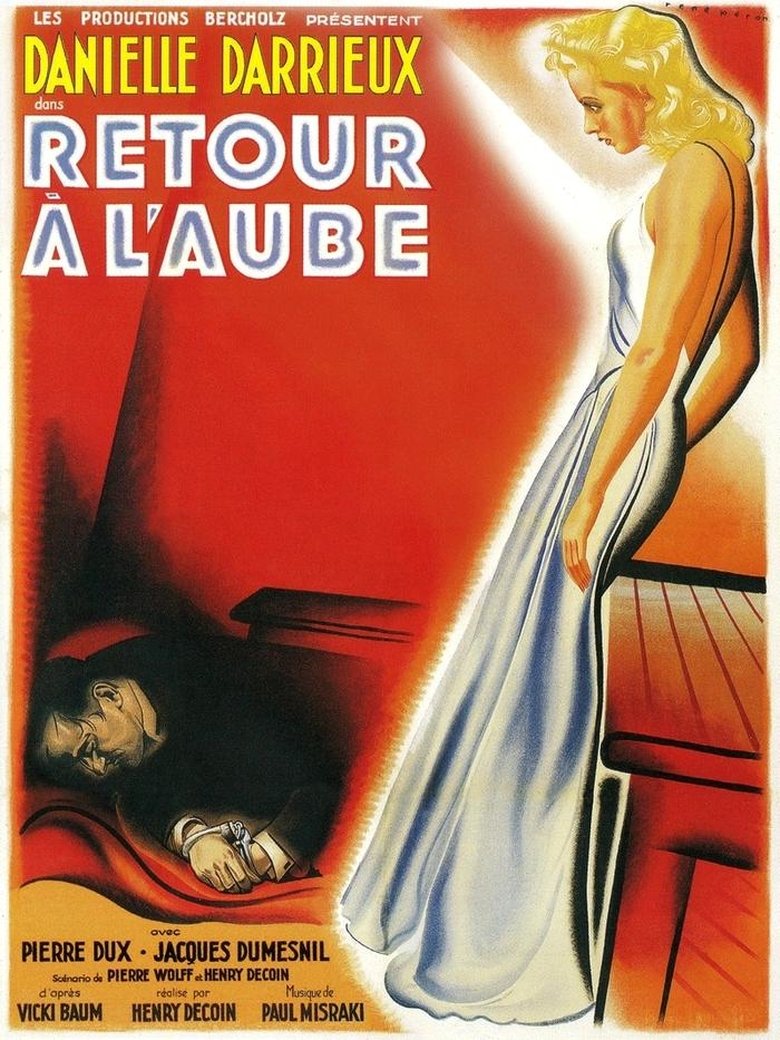
1938
Director
Henri Decoin
Runtime
94 minutes
Average Rating
No ratings yetSynopsis
Married to Karl Ammer, the station master of Thaya, a Hungarian quiet village, Anita is a pretty young peasant who feels deeply bored. She dreams of another life while watching the daily express trains to Budapest. An incident will force her to leave her province: she has to go to Budapest to attend the funeral of an aunt and receive a share of the inheritance. After completing the formalities, Anita misses the train to go back home and then she finds herself alone in the capital.
Overall Score
Limited
Category Breakdown
LGBTQ+ Representation
The film lacks any evidence of non-cisnormative identities or same-sex intimacy. It adheres to the traditional romantic and familial structures common in 1930s cinema.
Gender Representation
The narrative centers on a female protagonist seeking autonomy beyond her domestic role. Her journey from a restrictive village to Budapest provides a rare sense of agency for the era.
Racial & Ethnic Diversity
The setting in a Hungarian village and Budapest suggests a homogeneous European cast. There is no evidence of racial blending or diverse casting within the narrative.
Religious & Cultural Diversity
The story focuses on individualist romanticism and personal dissatisfaction. It does not offer a systemic critique of institutions or promote modern secularist frameworks.
Disability Representation
There is no indication of characters with visible or invisible disabilities. No such figures are integrated into the central narrative or agency-driven plot points.
Strengths
Areas for Improvement
AI Analysis
Return at Dawn is a character study that finds its strength in its female-led perspective. By focusing on Anita's internal dissatisfaction and her movement from the province to the capital, the film avoids the trope of the purely passive woman. However, the film is limited by the demographic norms of 1930s European cinema. It lacks intersectional complexity, offering a homogeneous view of society that lacks racial or LGBTQ+ diversity. Ultimately, while the protagonist's pursuit of independence is notable, the film remains a traditional narrative rooted in the social hierarchies of its time.
1952
1944
1931
1933
1933
1937

1936

1941
1938
1930
1937
1933
No reviews yet. Be the first to share your thoughts on this movie!
Use the rating form above to leave a star rating and optional review.