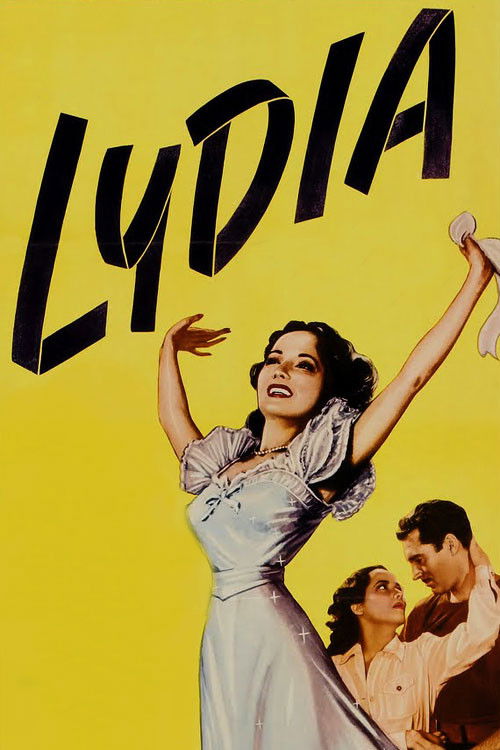
Lydia
1941
No user ratings available yet
Diversity score: 3.8 out of 10
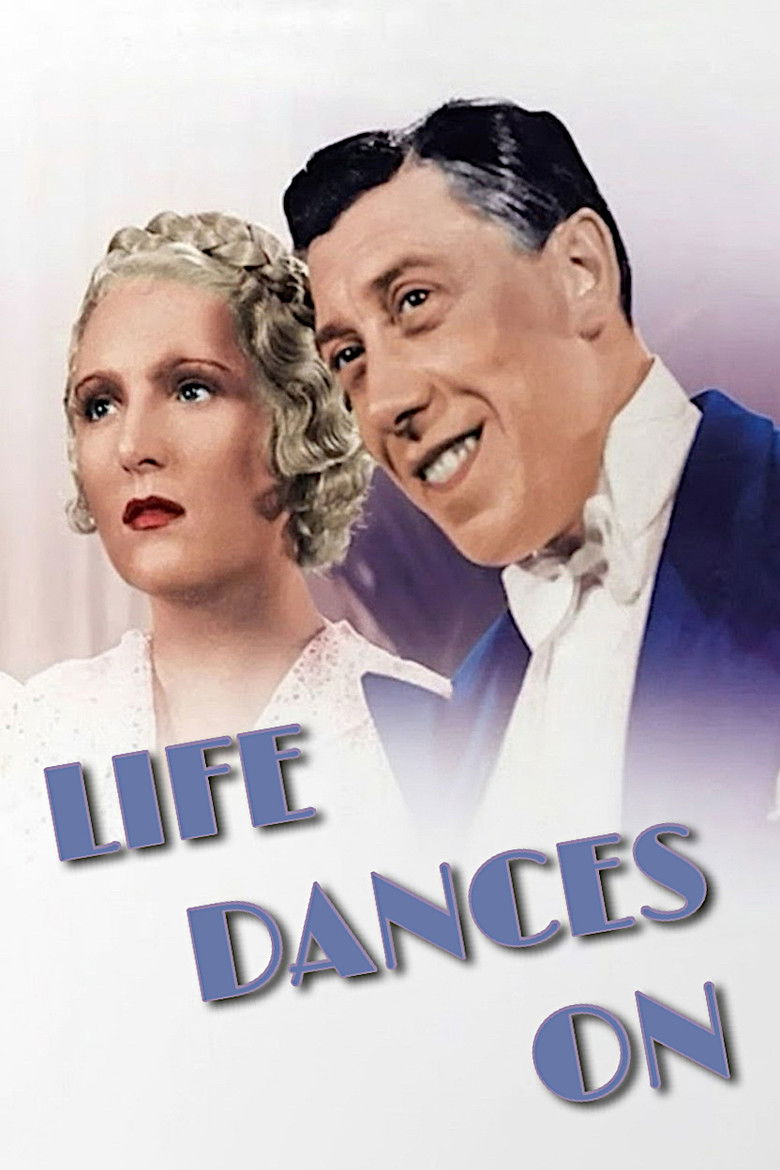
1937
Director
Julien Duvivier
Runtime
130 minutes
Average Rating
No ratings yetSynopsis
After the death of her husband, Christine realizes she has possibly wasted her life by marrying him instead of the man towards whom, in her youth, she had a stronger inclination. To overcome these dreary thoughts, she decides to find out about him and the other men who danced with her during a ball that was a turning point in her life, many years ago. She pays a visit to those forgotten acquaintances one after the other; Christine is not only surprised to see how they have fared, but also discovers the impact she had, unknowingly, on the feelings and the destiny of these persons.
Overall Score
Limited
Category Breakdown
LGBTQ+ Representation
The film adheres to the heteronormative constraints of 1937. The narrative focuses on traditional courtship and marital regret, with no discernible queer subtext or non-cisnormative identities present.
Gender Representation
Christine provides a nuanced portrayal of female agency. She actively investigates her past to reclaim her narrative, challenging the trope of the contented wife and the limitations of domestic roles.
Racial & Ethnic Diversity
The cast and setting appear homogeneous, reflecting the specific cultural context of French poetic realism. The narrative focuses on class-based nuances rather than racial or ethnic diversity.
Religious & Cultural Diversity
The film critiques the conventional Western ideal of the domestic lifecycle by questioning the sanctity of marriage. However, it remains rooted in the social mores of its era.
Disability Representation
There are no visible or invisible disabilities central to the character arcs or the plot progression.
Strengths
Areas for Improvement
AI Analysis
Life Dances On is a sophisticated psychological study that subverts the traditional 'happily ever after' trope. It replaces romantic idealism with a somber examination of social conditioning and the unintended consequences of personal choices. While the film lacks modern demographic breadth, it excels in its structural investigation of human connection. The non-linear, episodic framework allows for a fragmented, mosaic-like exploration of memory and chance. The film's primary achievement is its portrayal of the protagonist as an active seeker of truth. This provides a subtle, effective critique of the rigid social roles imposed upon women during the early 20th century.
1941
1948

1986
1970
1946

1980

1950
1938
1948

1930

1971
1977
No reviews yet. Be the first to share your thoughts on this movie!
Use the rating form above to leave a star rating and optional review.