The Wagons Roll at Night
1941
No user ratings available yet
Representation score: 0.8 out of 10
Representation Score
Limited
1933
NRDirector
Rowland V. Lee
Runtime
94 minutes
Average Rating
No ratings yetNew Showbiz Analysis
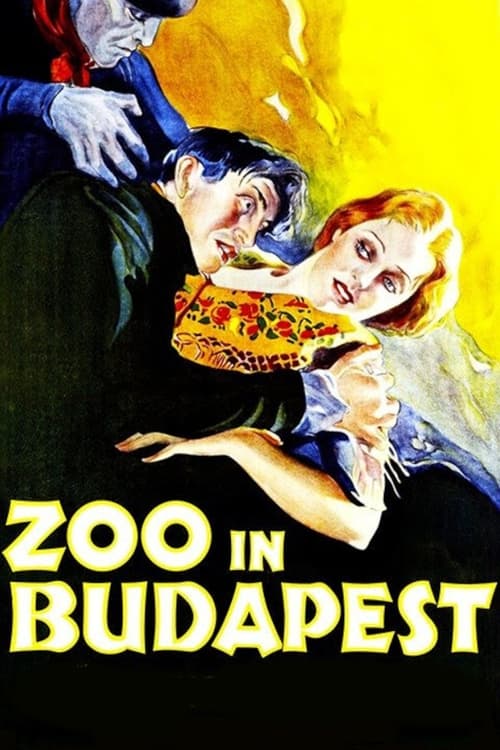
Zoo in Budapest is a product of the Pre-Code era and adheres to the conventional storytelling structures of its time. The narrative prioritizes a traditional romantic thriller framework, lacking the intentionality needed to disrupt established social or gender hierarchies. The film blends genres but does not show a pattern of progressive representation. It remains largely reflective of the standard social and demographic compositions of the early 1930s. Ultimately, the work functions as a typical drama where the stakes are personal and romantic rather than systemic or addressing multiple aspects of diversity.
Category Breakdown
The film focuses on a traditional heterosexual relationship and does not include any characters with non-conforming gender identities or sexual orientations. It also does not challenge the assumption that everyone is straight or cisgender.
The characters adhere to traditional gender roles of the 1930s. Although Myrna Loy is a key figure, her role reinforces rather than challenges the gender norms of the time.
The cast appears to be mostly homogeneous, reflecting the casting practices of the era. The film’s setting in Budapest does not seem to be used to explore perspectives outside of Anglo-Saxon cultures.
The story operates within the context of established social structures without critiquing Western institutions. Conflicts arise from personal romantic stakes rather than broader critiques of religion or patriotism.
There are no characters with visible or invisible disabilities in the film. None of the characters are used as plot devices related to disabilities.
Present on Screen
Limited or Absent
Official Synopsis
Zani is an unusual young man who has spent his entire life in a zoo in Budapest. His only true friends are the zoo's animals. When Zani meets Eve, a young orphan girl, they fall in love. To be together Eve must somehow escape from her strict orphan school. When she does she and Zani must hide overnight in the zoo - where everyone is looking to find them.
1941
1928
1924
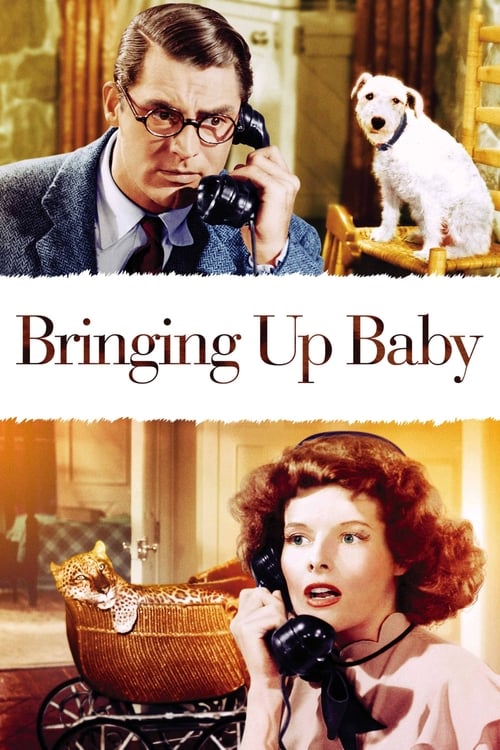
1938
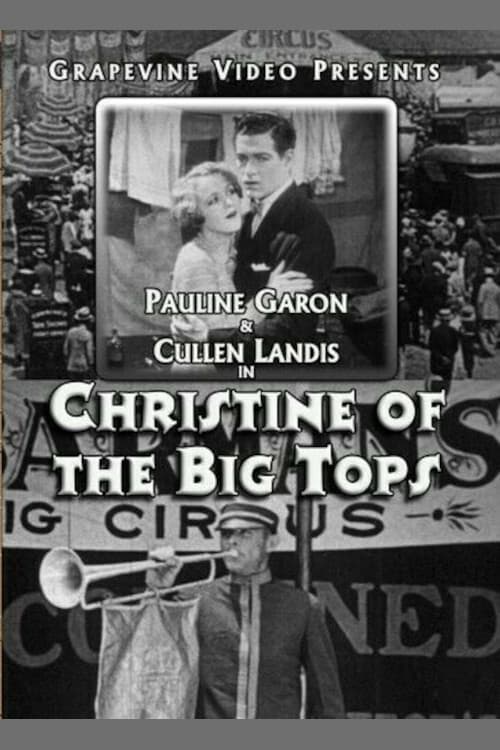
1926
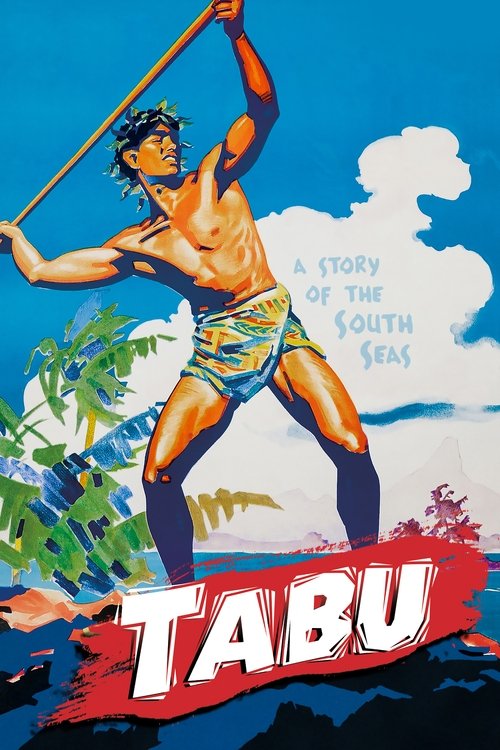
1931
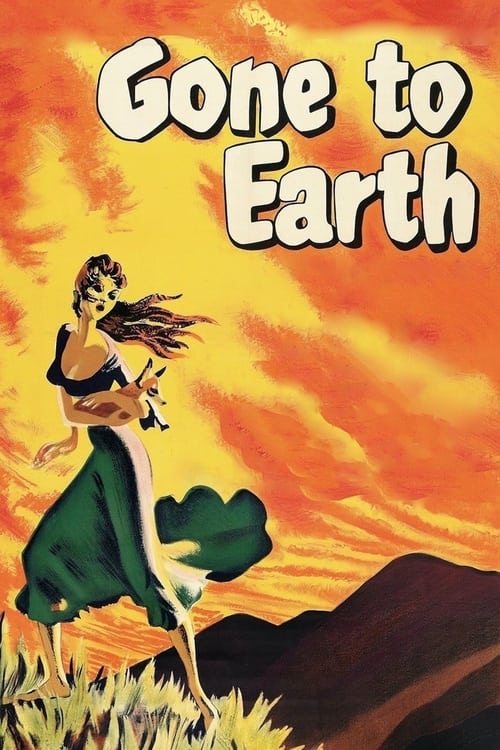
1950
1938
No reviews yet. Be the first to share your thoughts on this movie!
Use the rating form above to leave a star rating and optional review.