
April in Paris
1952
No user ratings available yet
Representation score: 0.5 out of 10
Representation Score
Minimal
1951
NRDirector
David Butler
Runtime
92 minutes
Average Rating
No ratings yetNew Showbiz Analysis
Lullaby of Broadway exemplifies mid-century studio filmmaking, emphasizing mainstream entertainment over social change. The narrative upholds traditional social hierarchies and romantic structures common to the 1950s. The film lacks diverse representation, featuring a racially homogeneous cast and strict straight-centered relationships. While the female lead has a career, her story revolves around domestic and romantic themes. Overall, the production upholds the status quo, providing a polished but conventional view of Western social and professional life without challenging existing cultural norms.
Category Breakdown
The film follows a typical romantic storyline focused on heterosexual relationships. There are no characters with non-binary gender identities or same-sex relationships.
Melinda has professional control as a performer, but her journey is tied to romantic pursuits. Male characters hold the main economic and structural power.
The cast is predominantly white, with no characters of color having significant roles.
The story celebrates traditional Western entertainment and individual success within a capitalist system. It favors optimistic endings over moral ambiguity.
There are no characters with physical, sensory, or neurodevelopmental disabilities. The cast is shown as fully able-bodied.
Present on Screen
Limited or Absent
Official Synopsis
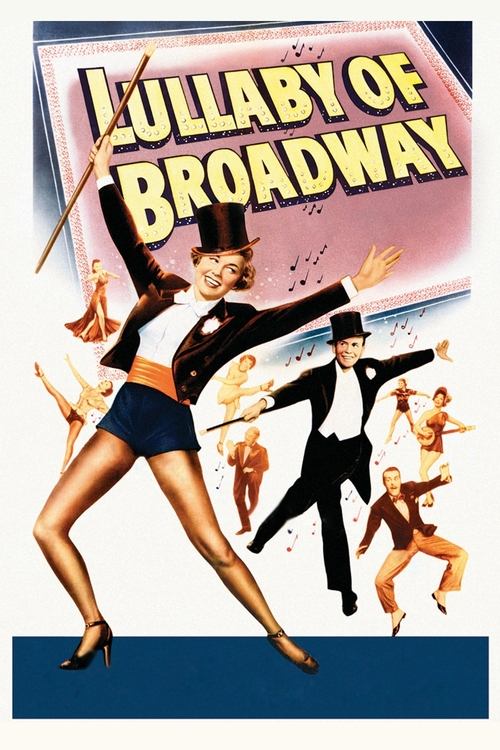
Pretty Melinda Howard has been abroad singing with a musical troupe. She decides to return home to surprise her mother whom she thinks is a successful Broadway star with a mansion in Manhattan. She doesn't know that her mother is actually a burnt-out cabaret singer with a love for whiskey. When she arrives at the mansion, she is taken in by the two servants who are friends of her mother's. The house actually belongs to Adolph Hubbell, a kind-hearted Broadway producer who also gets drawn into the charade. Hubbell takes a shine to Melinda and agrees to star her in his next show. Melinda also finds romance with a handsome hoofer who's also in the show. All is going well for Melinda except that she wants to see her mother who keeps putting off their reunion.
1952
1935
1949

1933
1950

1953
1952
1948
No reviews yet. Be the first to share your thoughts on this movie!
Use the rating form above to leave a star rating and optional review.