
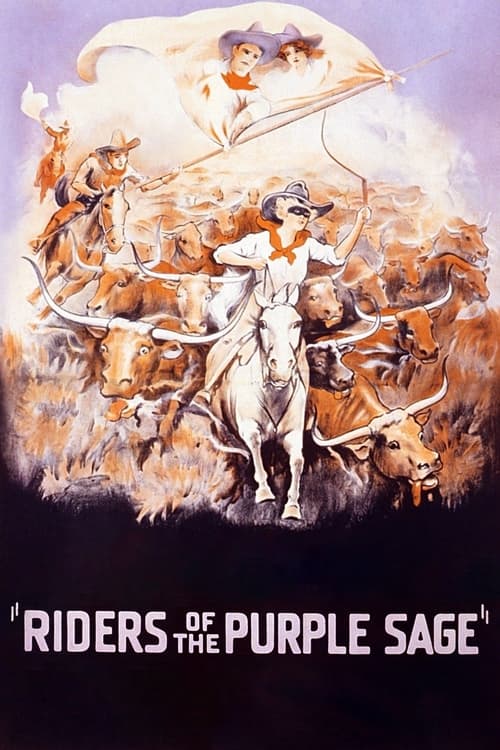
Riders of the Purple Sage
1931
No user ratings available yet
Representation score: 1.4 out of 10
Representation Score
Minimal
1925
NRDirector
Lynn Reynolds
Runtime
56 minutes
Average Rating
No ratings yetNew Showbiz Analysis
Riders of the Purple Sage is a classic example of the 1920s Western genre. It primarily reinforces established social, racial, and gender hierarchies through conventional cinematic formulas. The film relies on Anglo-centric heroism and traditional gender roles to propel its narrative. By focusing on a male protagonist and using the 'damsel in distress' motif, it upholds patriarchal structures typical of the era. Ultimately, the work preserves early 20th-century cultural archetypes. It fails to challenge historical norms or provide diverse perspectives.
Category Breakdown
The film strictly follows traditional heterosexual and cisgender norms. There is no depiction of non-binary gender identities or same-sex relationships, with romance confined to conventional courtship scenarios.
The narrative centers around a male protagonist who drives the story. Female characters mainly serve as plot motivators, often in distress, and rarely act independently.
The film presents a predominantly white perspective of the American frontier. It focuses on Anglo-Saxon characters and lacks meaningful representation of non-white individuals with significant influence.
The story emphasizes traditional Western myths such as rugged individualism and frontier justice. It reinforces conventional values and the sanctity of the family unit without questioning Western institutions.
There is no representation of physical or neurodivergent conditions. Characters are portrayed as physically strong and healthy, with no depiction of living with disabilities.
Present on Screen
Limited or Absent
Official Synopsis
A Texas Ranger searches for his kidnapped sister.
1931
1960
1935

1957
1930
1924
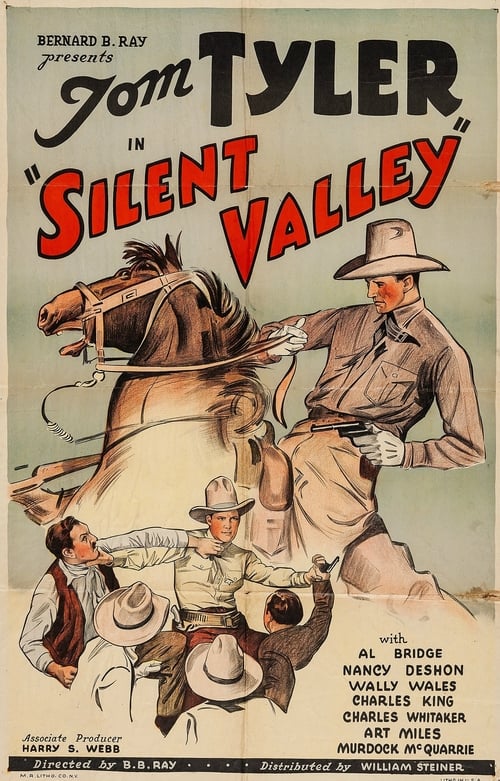
1935
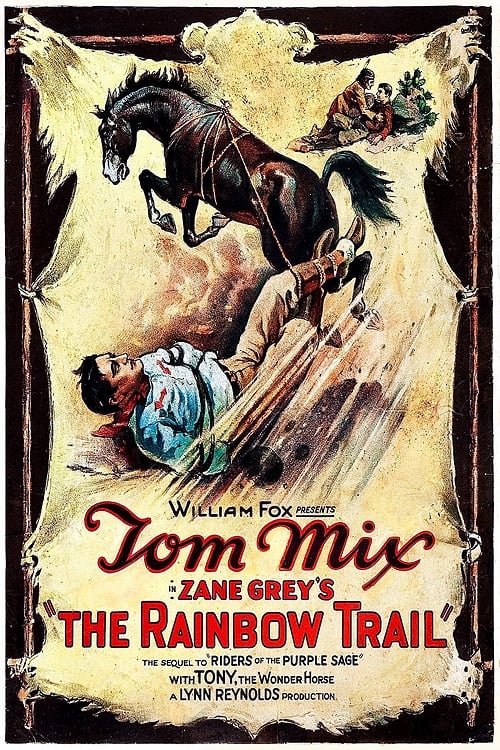
1925
No reviews yet. Be the first to share your thoughts on this movie!
Use the rating form above to leave a star rating and optional review.