
Along the Great Divide
1951
No user ratings available yet
Representation score: 0.3 out of 10
Representation Score
Minimal
1954
NRDirector
Joseph Kane
Runtime
103 minutes
Average Rating
No ratings yetNew Showbiz Analysis
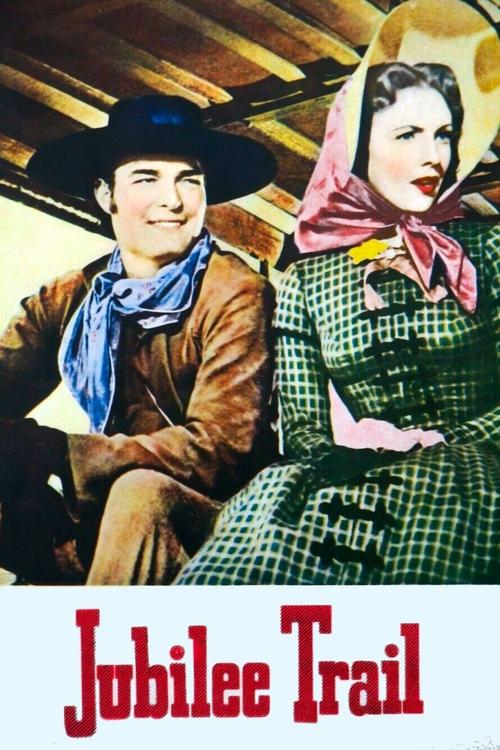
Jubilee Trail is a traditional mid-century Western that relies heavily on established genre clichés. While the female lead shows personal resilience in the face of tragedy, the film’s structure remains firmly rooted in traditional social hierarchies. The narrative prioritizes traditional family units and the pursuit of domestic stability. This focus reinforces the period’s standard cinematic clichés rather than offering any meaningful challenges or multi-layered representation. Ultimately, the film reflects the homogeneous and traditionalist perspectives common in 1950s frontier cinema.
Category Breakdown
The film does not include any LGBTQ+ characters or non-straight relationships. It centers on a traditional marriage typical of 1950s cinema.
The female protagonist shows strength by continuing her journey despite being pregnant. However, her role remains reactive, as she deals with a world where the loss of a male provider is significant.
The story seems to follow the era's trend of white-dominated frontier tales. There is no evidence of diverse characters or those from non-Anglo-Saxon backgrounds having significant roles.
The plot highlights traditional Western values and the importance of the nuclear family. The journey emphasizes the classic American story of settlement and home life.
The film does not feature any characters dealing with physical, sensory, or neurodivergent disabilities.
Present on Screen
Limited or Absent
Official Synopsis
A wild-west trader and his New York wife head out for the California by wagon train. The trader is killed enroute, and his wife finds herself with child. She continues on hoping to find a man and a home.
1951
1956

1953
1960
1952
1939
1924
1930
No reviews yet. Be the first to share your thoughts on this movie!
Use the rating form above to leave a star rating and optional review.