Lone Wolf and Cub: Baby Cart at the River Styx
1972
No user ratings available yet
Representation score: 4.1 out of 10
Representation Score
Good
1978
Director
Kinji Fukasaku
Runtime
130 minutes
Average Rating
No ratings yetNew Showbiz Analysis
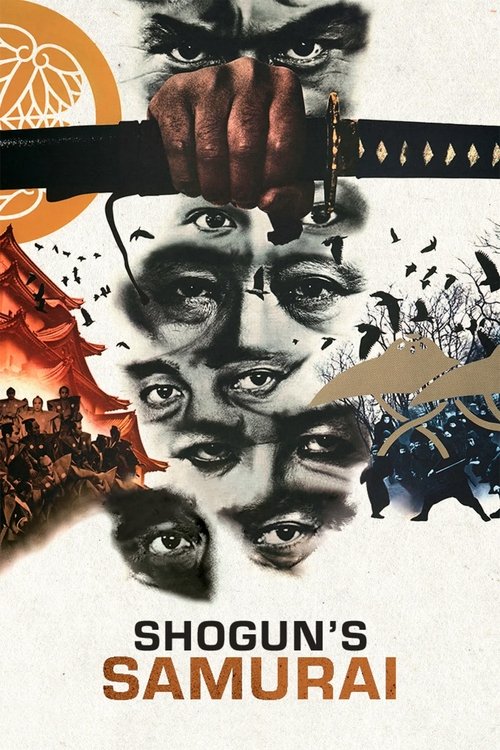
Shogun's Samurai presents a cynical, deconstructive view of historical power rather than a romanticized epic. By focusing on systemic corruption and the betrayal of traditional honor, it offers a nuanced critique of institutional morality. However, the film remains confined to its period-specific context, lacking modern characters who reflect more than one aspect of diversity. The narrative centers heavily on patriarchal structures, using physical differences primarily as tools for political tension rather than character depth.
Category Breakdown
The film does not include explicit LGBTQ+ characters or identities. The story revolves around political and family rivalries within the Tokugawa shogunate, with relationships based on traditional social structures.
Men primarily drive the plot, with male characters holding most of the ability to act. Despite exploring Iemitsu's physical weaknesses, the struggle for the shogunate remains focused on men.
The cast is ethnically uniform, reflecting its status as a Japanese period piece. It provides a non-Western perspective on empire and succession through its focus on Japanese history.
The film critiques institutional morality and the Bushido code, portraying the Shogunate as an arena of manipulation rather than a symbol of virtue.
A stammer and a birthmark serve as central plot drivers that challenge political legitimacy. These traits highlight how societal standards of perfection influence ability to act, though they mainly function as indicators of inadequacy.
Present on Screen
Limited or Absent
Official Synopsis
Following the death of the second Tokugawa shogun, it is revealed that he was poisoned by retainers of his son Iemitsu in hopes of gaining him the shogunate despite the stammer and birthmark which undermine his respect. Iemitsu and his brother Tadanaga become bitter rivals for the shogunate, and the land is split into factions, eventually erupting into warfare. Iemitsu's mentor, his fencing instructor Yagyu, is fixated upon securing Iemitsu the shogunate and ends up betraying everyone, even his own family, in pursuit of the goal.
1972
1972
1973
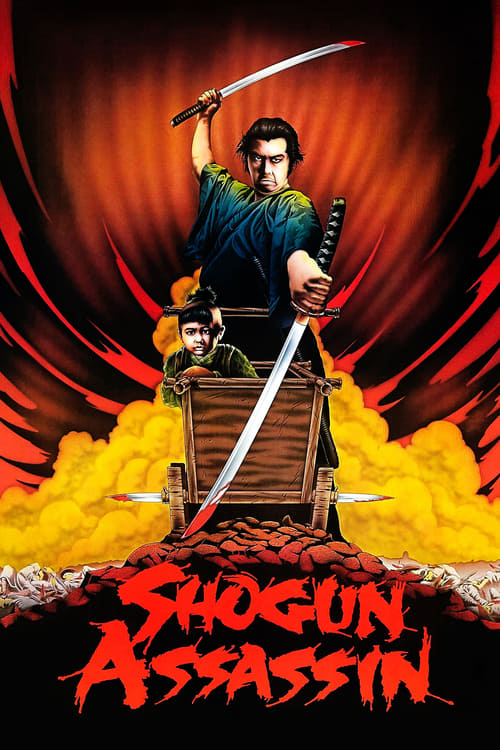
1980
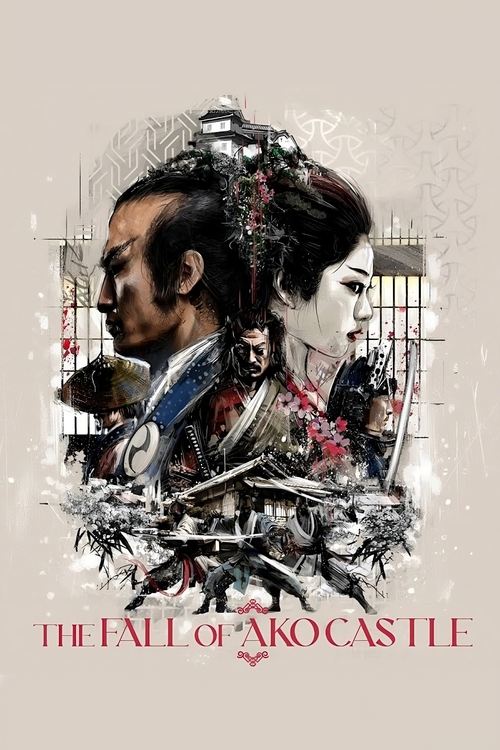
1978
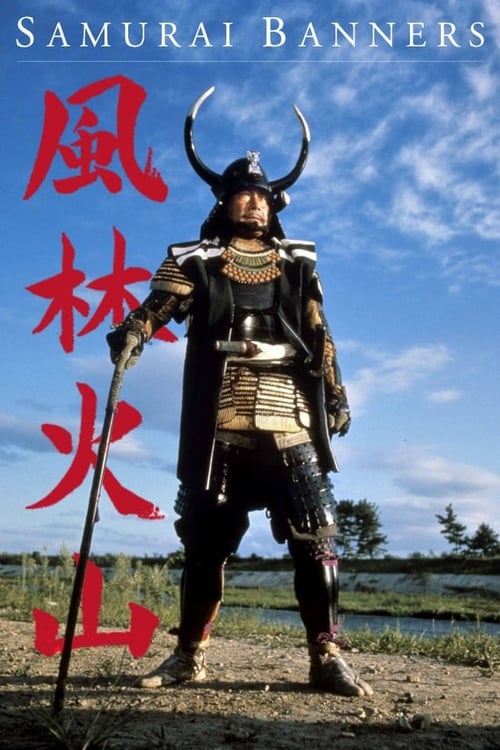
1969
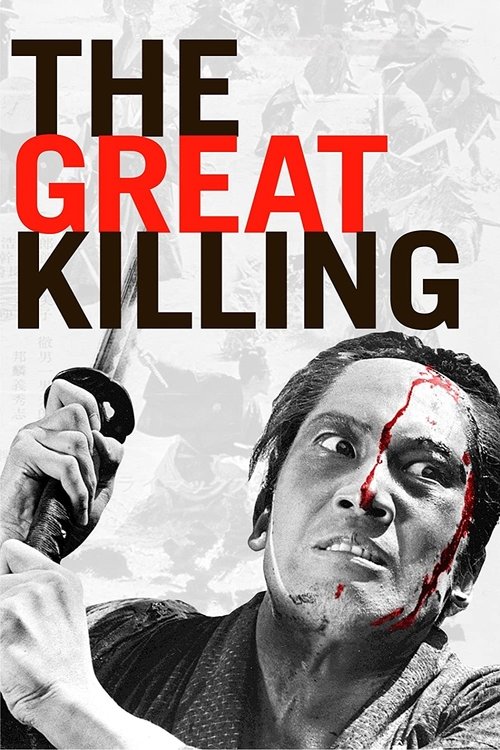
1964
1974
No reviews yet. Be the first to share your thoughts on this movie!
Use the rating form above to leave a star rating and optional review.