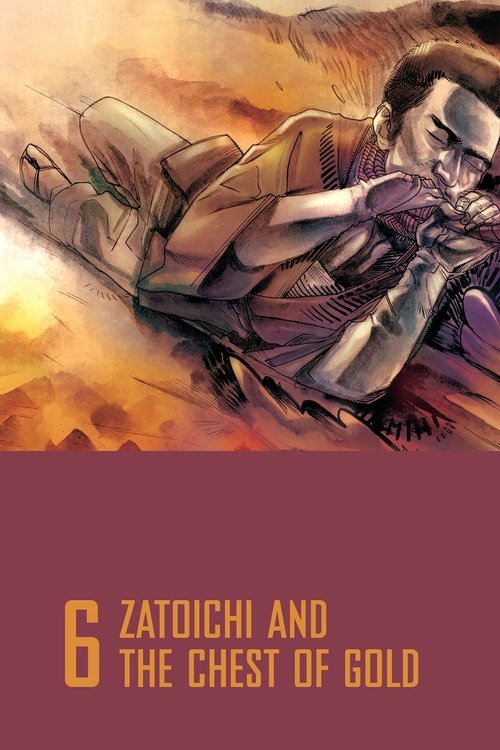
Zatoichi and the Chest of Gold
1964
No user ratings available yet
Representation score: 4.6 out of 10
Representation Score
Fair
1964
Not RatedDirector
Kazuo Ikehiro
Runtime
82 minutes
Average Rating
No ratings yetNew Showbiz Analysis
Zatoichi's Flashing Sword is a traditional genre piece centered around individualistic heroism. While it doesn't explore modern gender and sexual diversity, it offers a sophisticated look at a underrepresented protagonist. The film stands out by presenting the blind protagonist as a skilled and powerful figure, rather than a helpless one. However, it remains rooted in the conventions of its time, lacking the diverse representation seen in contemporary storytelling.
Category Breakdown
The film does not include any LGBTQ+ characters or explore non-traditional sexual orientations. It focuses on the social structures of the Edo period.
The story emphasizes male characters and martial combat over gender diversity. Female characters mainly serve as catalysts for the main character or figures needing protection.
The cast is ethnically uniform, reflecting the historical context of Edo-period Japan. The film does not blend different cultures or ethnicities.
The story examines moral ambiguity through a protagonist who operates outside formal legal systems. It looks at the tension between systemic authority and individual freedom.
The protagonist's blindness is central to the story. Instead of being mocked, his disability is shown as a specialized skill set that gives him power and control.
Present on Screen
Limited or Absent
Official Synopsis
Blind masseur Zatoichi is nursed back to health by a young woman after he is shot by a gang member. Zatoichi, who had come to the village to repay a debt, now feels further indebted. He commits himself to use his amazing sword skills to help the young woman's father, whose river-crossing service is under attack by the same gang responsible for Zatoichi's wounds.
1964
1962
1973
1967
1966
1963
1989
1965
No reviews yet. Be the first to share your thoughts on this movie!
Use the rating form above to leave a star rating and optional review.