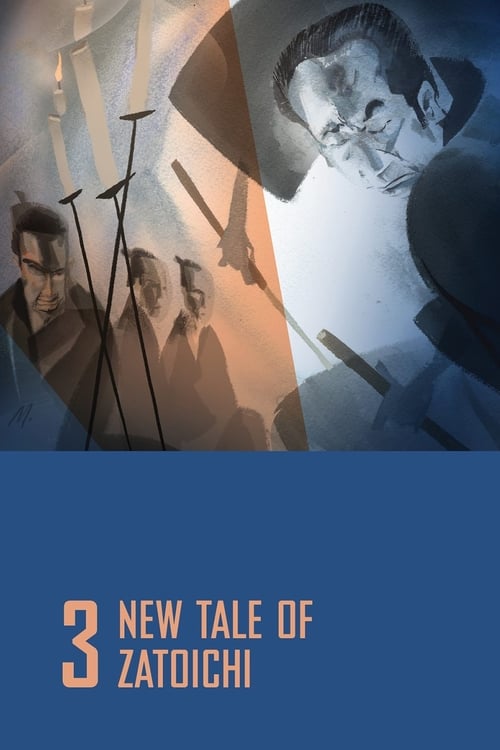
New Tale of Zatoichi
1963
No user ratings available yet
Representation score: 4.3 out of 10
Representation Score
Fair
1966
Not RatedDirector
Tokuzō Tanaka
Runtime
83 minutes
Average Rating
No ratings yetNew Showbiz Analysis
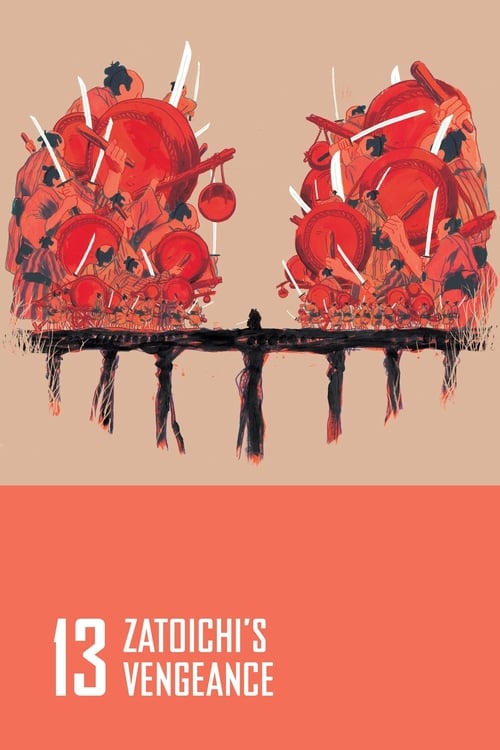
Zatoichi's Vengeance is a traditional samurai film that centers on a blind protagonist with significant influence. However, the film is constrained by the social norms of its time. It lacks LGBTQ+ representation and offers little depth for female characters, who mostly play minor roles or are victims. The film provides a culturally authentic study of feudal Japan but does not engage with modern multi-layered narratives or diverse demographic perspectives.
Category Breakdown
The film does not include any LGBTQ+ characters or explore non-straight relationships. The social setting is traditional, without any queer undertones.
Female characters are mainly in supporting roles, often as victims or villagers. The story focuses on male-driven actions and upholds traditional gender roles of the Edo period.
The cast is ethnically uniform, sticking to period-appropriate Japanese actors. While it avoids whitewashing, it remains a localized cultural study without broader demographic representation.
The story examines individual morality against corrupt systems and the exploitation of the poor. It stays rooted in historical archetypes rather than modern secular themes.
Zatoichi's blindness is a defining feature that drives his role in the story. The film presents his disability as both a vulnerability and a strength, avoiding inspirational clichés.
Present on Screen
Limited or Absent
Official Synopsis
Zatoichi comes upon a dying man who asks him to give a bag of money to "Taichi". Zatoichi has no idea who this is but when he comes upon a small town harassed by gangsters, he finds that "Taichi" was the man's young son. Along his travels he also met a blind monk who makes Zatoichi question his murderous lifestyle. In trying to help the town, Zatoichi kills some gangsters and becomes a hero to the boy. He must make a choice of whether to use non-violence and set a good example, or violence and set the boy on the wrong path in life.
1963
1962
1964

1972
1989
1973
1964
1963
No reviews yet. Be the first to share your thoughts on this movie!
Use the rating form above to leave a star rating and optional review.