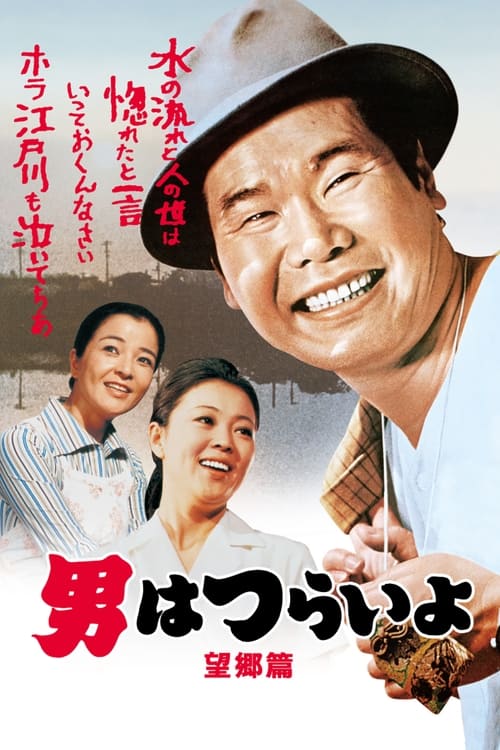
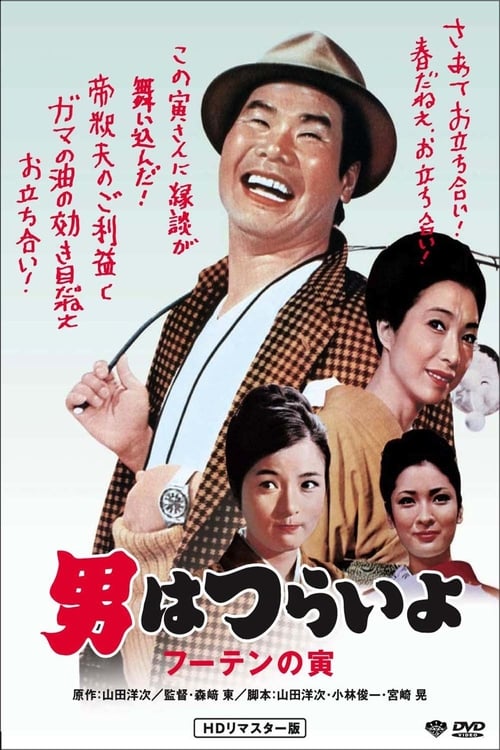
Tora-san's Runaway
1970
No user ratings available yet
Diversity score: 3.4 out of 10
1969
Director
Yoji Yamada
Runtime
91 minutes
Average Rating
No ratings yetSynopsis
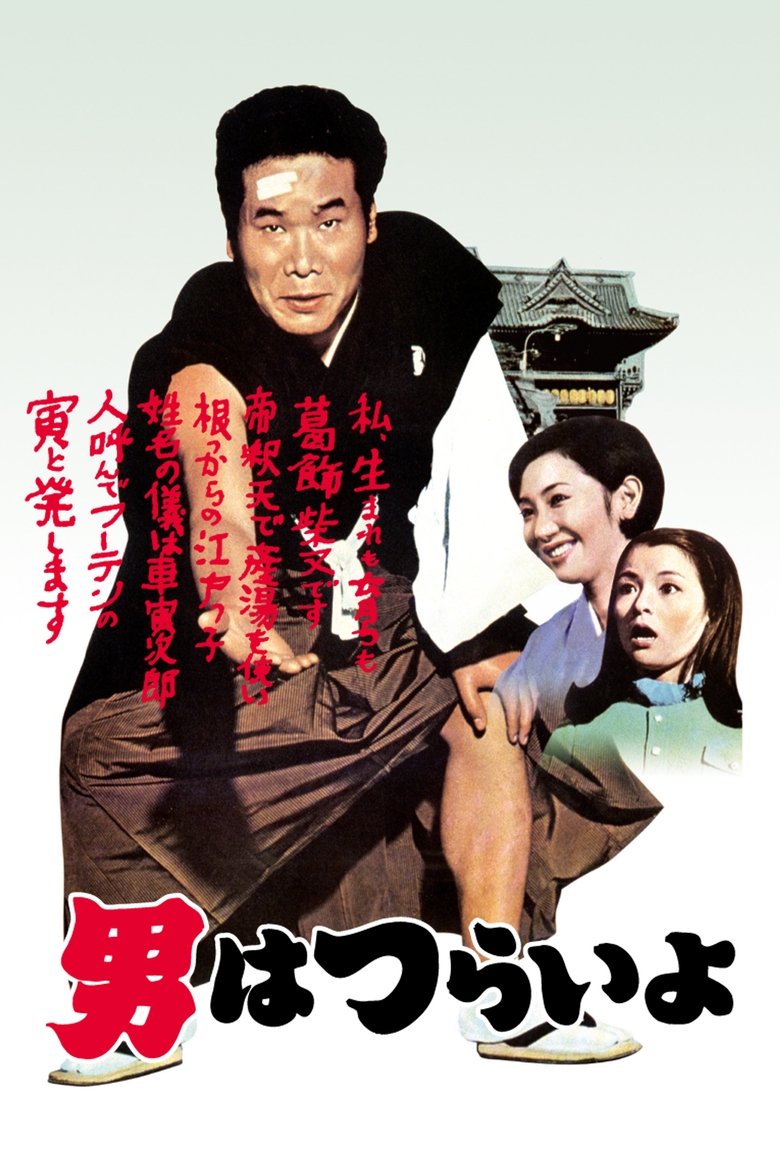
Tora-san, an itinerant peddler who is thrown out of his father's house twenty years before but reconnects with his aunt, uncle and sister Sakura. Tora wreaks some havoc in their lives, like getting drunk and silly at a marriage meeting.
Overall Score
Limited
Category Breakdown
LGBTQ+ Representation
The film contains no LGBTQ+ characters or non-heteronormative identities. Romantic arcs focus exclusively on traditional heterosexual attraction.
Gender Representation
Women like Sakura provide the film's emotional depth and moral stability. However, power dynamics remain conventional, reinforcing traditional domestic roles and caretaking.
Racial & Ethnic Diversity
The cast is culturally homogeneous, reflecting the specific Shitamachi community. It offers an authentic portrayal of its local ethnic milieu without Western-centric casting.
Religious & Cultural Diversity
The story preserves traditional Japanese community structures and small-scale commerce. It prioritizes values of lineage, local tradition, and communal stability.
Disability Representation
There are no prominent depictions of physical or neurodivergent disabilities within the primary character arcs.
Strengths
Areas for Improvement
AI Analysis
Tora-san, Our Lovable Tramp is a character study rooted in the preservation of traditional working-class Tokyo culture. The film prioritizes nostalgic realism and the micro-dynamics of a specific community over the disruption of social hierarchies. While the film offers an authentic look at a disappearing way of life, it lacks modern intersectional markers. The narrative operates within established social frameworks, focusing on the tension between transient lifestyles and communal stability. Ultimately, the film functions as a cultural time capsule. It succeeds in its specific setting but lacks representation of diverse identities or systemic critiques of the social order.
1970
1969
1973

2017
1970

1965

2010
1977

1965
1960

1967
1962
No reviews yet. Be the first to share your thoughts on this movie!
Use the rating form above to leave a star rating and optional review.