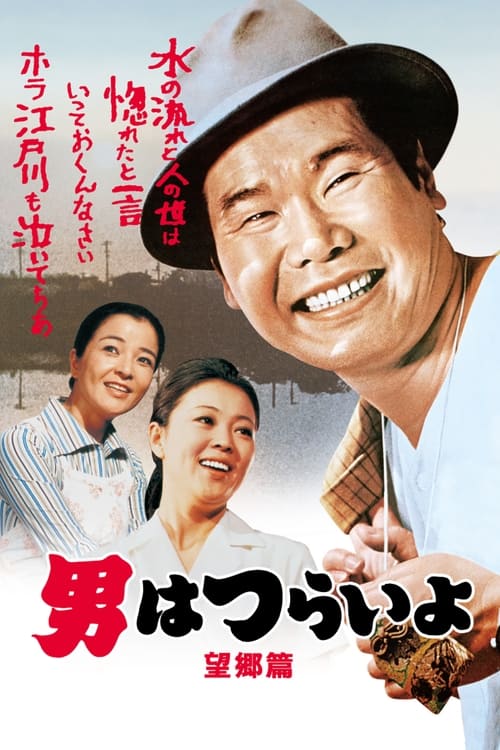
Tora-san's Runaway
1970
No user ratings available yet
Diversity score: 3.4 out of 10
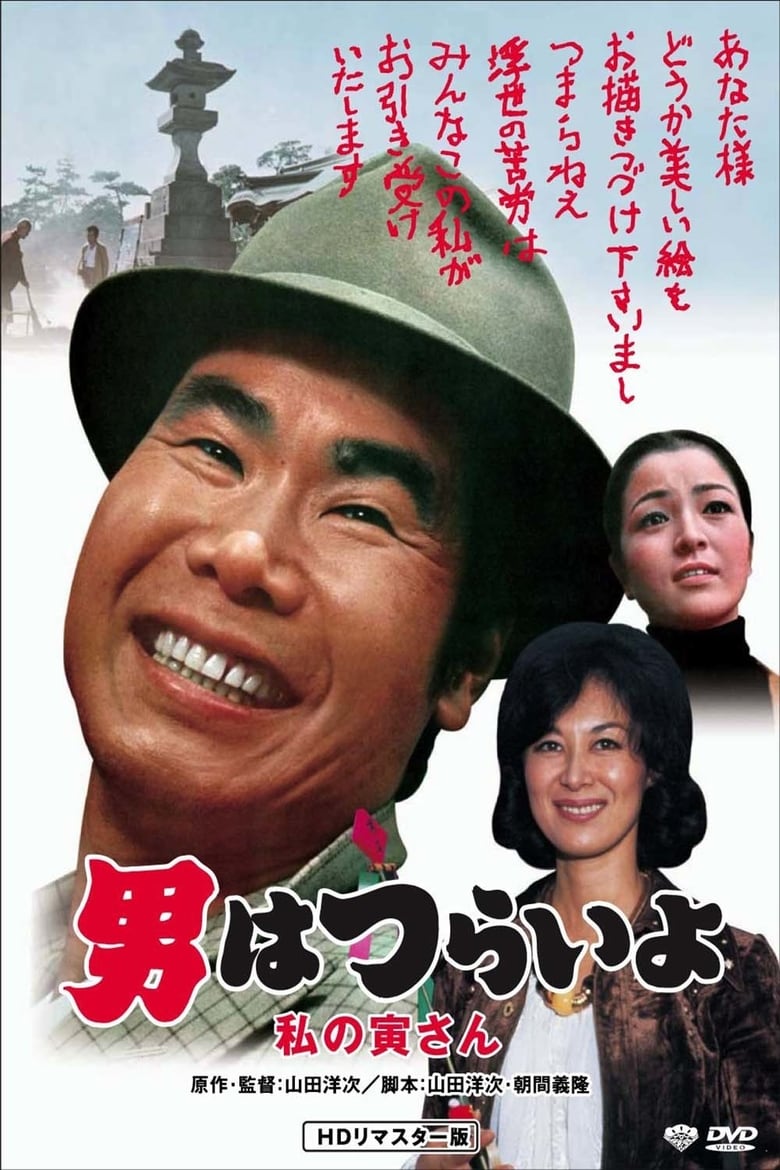
1973
Director
Yoji Yamada
Runtime
107 minutes
Average Rating
No ratings yetSynopsis
Tora-San returns to Shibamata just before his family leaves on a trip for Kyushu. Later, he encounters an old school chum and begins to have feeling for his artist sister.
Overall Score
Fair
Category Breakdown
LGBTQ+ Representation
The film lacks LGBTQ+ characters or non-heteronormative identities. Romantic themes focus entirely on traditional heterosexual longing and the protagonist's pursuit of women.
Gender Representation
The female lead provides a nuanced disruption of domestic tropes by acting as an independent artist. She possesses professional agency and intellectual autonomy that challenges typical gender hierarchies.
Racial & Ethnic Diversity
The cast is culturally homogeneous, reflecting the specific socio-cultural reality of the Shibamata district. It preserves a singular heritage rather than engaging in intersectional ethnic blending.
Religious & Cultural Diversity
The narrative critiques rapid materialism by contrasting communal traditions with 1970s industrialization. It prioritizes the 'pathos of things' over the pursuit of modern economic success.
Disability Representation
There are no prominent depictions of visible or invisible disabilities. Characters are defined by socioeconomic status and their relationship to the shifting Tokyo landscape.
Strengths
Areas for Improvement
AI Analysis
Tora-san Loves an Artist is a deeply specific cultural study rather than a broad exercise in demographic variety. It excels at capturing the essence of working-class Shitamachi life, using the protagonist's non-conformity to critique the rigid social hierarchies and rapid modernization of 1970s Japan. While the film offers progressive agency through its female artist lead, it remains limited by a homogeneous cast and a lack of representation for LGBTQ+ and disabled individuals. The work functions as a preservation of a specific cultural moment rather than an intersectional exploration. Ultimately, the film's value lies in its humanistic resistance to social homogenization. It finds strength in its focus on communal values and the dignity of those living on the margins of a modernizing society.
1970
1969
1969

2017
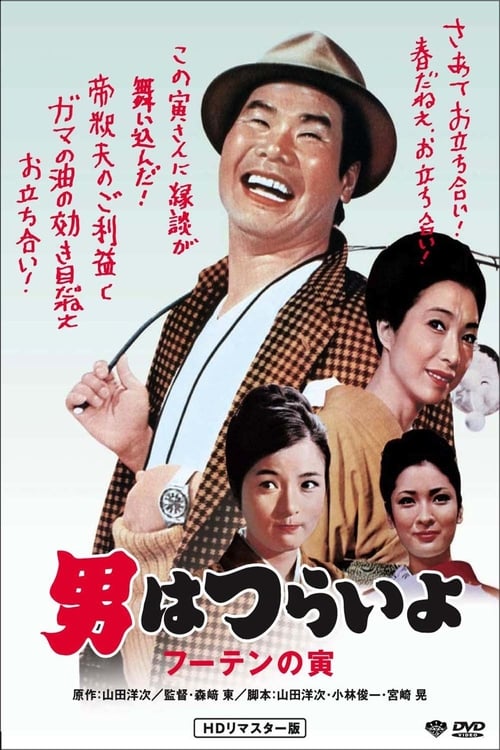
1970

1970
1983
1977
2010
1977

1985

2014
No reviews yet. Be the first to share your thoughts on this movie!
Use the rating form above to leave a star rating and optional review.