The Gink at the Sink
1952
No user ratings available yet
Representation score: 2.0 out of 10
Representation Score
Limited
1960
Director
Shin Sang-ok
Runtime
131 minutes
Average Rating
No ratings yetNew Showbiz Analysis
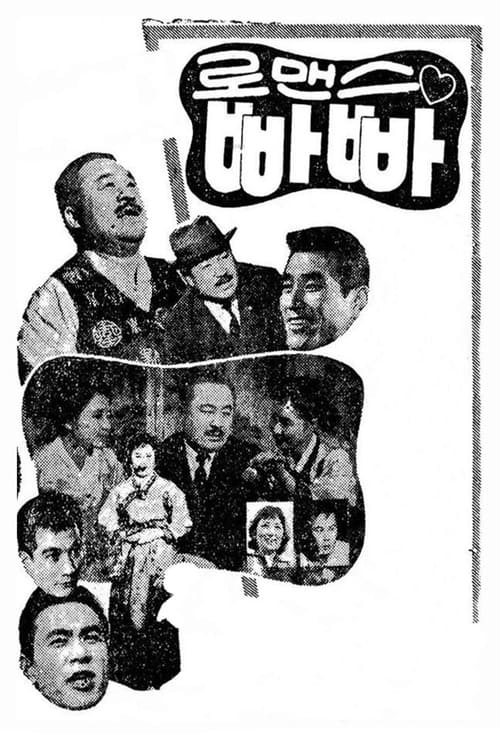
Romance Papa is a traditional domestic comedy that emphasizes the stability of the nuclear family. Its narrative structure supports established social hierarchies rather than challenging them. The film explores socioeconomic struggles but frames the conflict around preserving the father's role as the provider. Children’s efforts to help the family are portrayed as a means to protect his dignity. Overall, the film reflects the conservative social norms of 1960s South Korea, emphasizing reputation and traditional family structures.
Category Breakdown
The film adheres to the social norms of 1960s South Korea, where there is no depiction of LGBTQ identities or narratives.
The story revolves around a father's dignity, and while children work to support the family, their actions reinforce the existing patriarchal structure.
The cast is predominantly Korean, reflecting the demographics of the time without blending different racial backgrounds.
The narrative upholds traditional values such as filial piety and the sanctity of the family unit, focusing on maintaining social harmony.
There are no visible or invisible disabilities that play a central role in the character arcs or the plot development.
Present on Screen
Limited or Absent
Official Synopsis
A middle-aged man is laid off from work but is too proud to tell his family. His children, however, learn of the situation and take jobs of their own to help him save face.
1952

1960
1961
1958
1963

1963
1960
1958
No reviews yet. Be the first to share your thoughts on this movie!
Use the rating form above to leave a star rating and optional review.