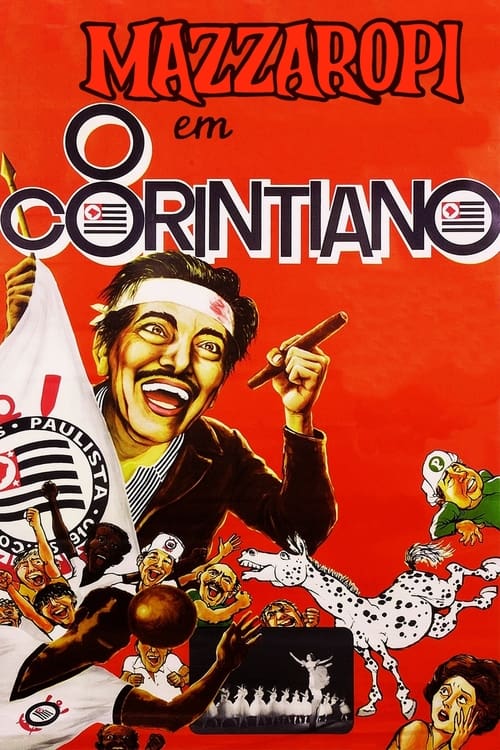
O Corintiano
1967
No user ratings available yet
Diversity score: 3.8 out of 10

1962
Director
Glauco Mirko Laurelli
Runtime
95 minutes
Average Rating
No ratings yetSynopsis
Story of a sausage salesman, a simple man struggling with family problems.
Overall Score
Limited
Category Breakdown
LGBTQ+ Representation
The film lacks evidence of non-heteronormative identities. The narrative focuses on traditional familial struggles without critiquing heteronormativity.
Gender Representation
The story centers on a male protagonist navigating domestic issues. Female characters likely occupy reactive or traditional roles common to 1960s regional comedies.
Racial & Ethnic Diversity
While the cast includes diverse names, there is no evidence of the film subverting racial hierarchies. It likely mirrors the social stratifications of 1962 Brazil.
Religious & Cultural Diversity
The narrative emphasizes traditional social structures and working-class struggles. It focuses on domestic stability rather than secularist or anti-capitalist themes.
Disability Representation
There is no information available regarding the portrayal of physical or neurodivergent characters in this work.
Strengths
Areas for Improvement
AI Analysis
This comedy follows the 'caipira' archetype, centering on a simple sausage salesman facing family instability. The film functions as a conventional period piece that reflects the social norms of its era. The narrative architecture prioritizes individual struggle and domesticity. It lacks the thematic depth required to deconstruct systemic power dynamics or promote intersectional identities. Ultimately, the film serves as a traditional character study rooted in regional comedic traditions rather than a subversive or progressive cinematic work.
1967
1960
1956

2013

1981
2002
1983

2002
1977
2012
1969
1971
No reviews yet. Be the first to share your thoughts on this movie!
Use the rating form above to leave a star rating and optional review.