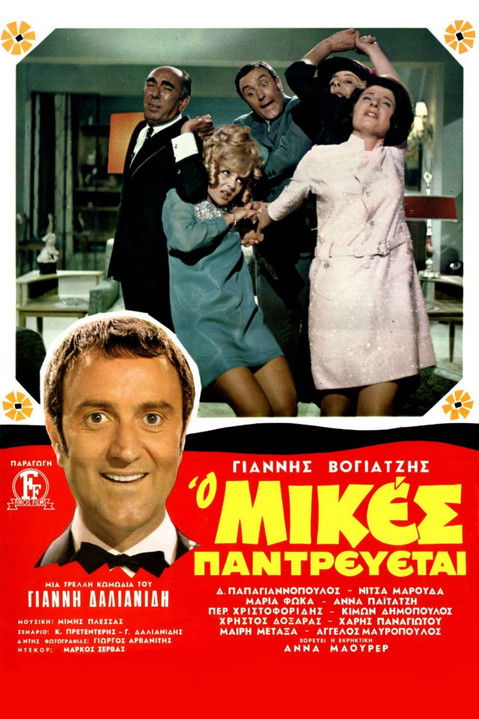
Mikes Is Getting Married
1968
No user ratings available yet
Representation score: 2.3 out of 10
Representation Score
Limited
1965
Director
Giannis Dalianidis
Runtime
80 minutes
Average Rating
No ratings yetNew Showbiz Analysis
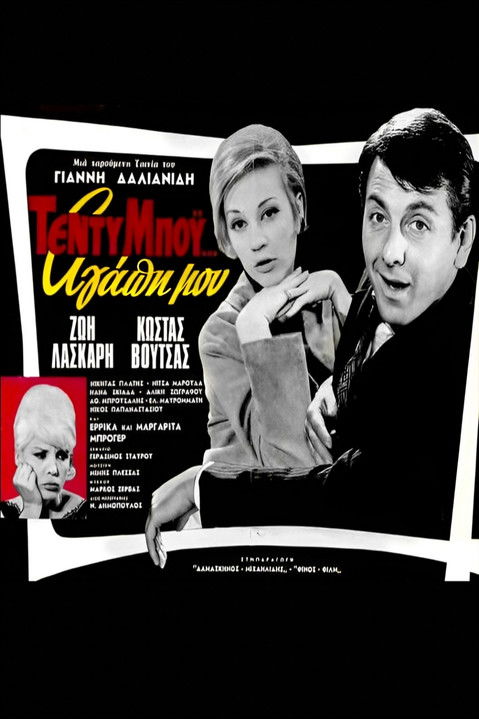
Teddy Boy My Love is a mid-century comedy that adheres to the social norms of its time. The plot revolves around generational conflict and material aspirations, particularly a son's desire for a car. The film lacks depth in representing multiple aspects of identity, focusing instead on localized social dynamics and traditional romantic clichés. It functions as a standard commercial comedy rather than a work that challenges broader societal norms. Ultimately, the production reflects the homogeneous cultural landscape of 1960s Greek cinema, prioritizing traditional character types and familial negotiations over diverse representation.
Category Breakdown
The film focuses on a heterosexual relationship between a man and a woman. There is no representation of non-binary genders or questioning of the assumption that everyone is straight.
The story centers on male desires and family interactions. The female lead plays a significant role by assisting the father, but she mainly serves as a catalyst for the male protagonist's journey.
The film reflects the homogeneous society of 1965 Greece. There is no indication of a diverse cast or multi-ethnic representation.
The themes align with traditional Mediterranean social structures and merchant-class dynamics. The story operates within established social hierarchies without challenging them.
The synopsis does not mention any characters with visible or invisible disabilities.
Present on Screen
Limited or Absent
Official Synopsis
The son of a merchant is trying to convince his father to sell his shop so he can buy the car he wants. But he will find his master in the face of a girl who has decided to help his father live a better life.
1968

1978

1967

1961

1963

1959

1967
1967
No reviews yet. Be the first to share your thoughts on this movie!
Use the rating form above to leave a star rating and optional review.