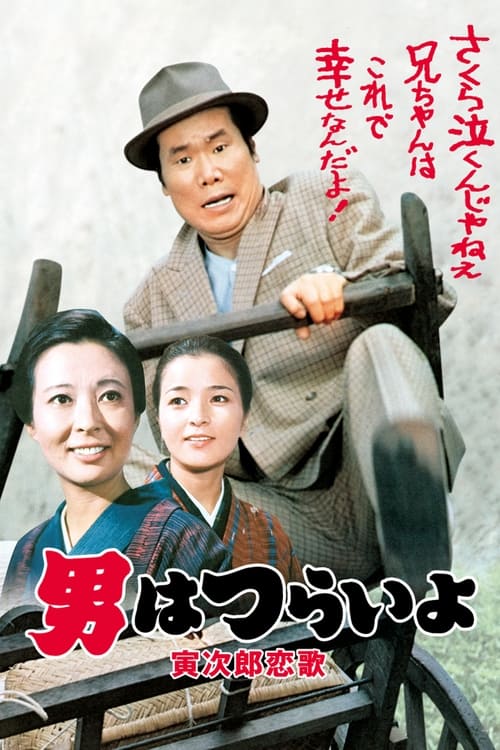
Tora-san's Love Call
1971
No user ratings available yet
Representation score: 1.9 out of 10
Representation Score
Minimal
1970
Director
Yoji Yamada
Runtime
88 minutes
Average Rating
No ratings yetNew Showbiz Analysis
Tora-san's Runaway is a deeply traditional work rooted in the specific social textures of 1970s Japan. It excels at portraying the dignity of the working class and offers a subtle, humanistic critique of rigid societal expectations through its protagonist's nomadic lifestyle. However, the film lacks demographic breadth. It operates within a homogeneous cultural setting and follows conventional patterns that assume everyone is straight or cisgender, offering little complexity or representation of diverse racial or sexual identities. Ultimately, the film's strength lies in its nuanced portrayal of traditional masculinity and emotional vulnerability, even as it remains tethered to the era's social constraints.
Category Breakdown
The film strictly adheres to the assumption that everyone is straight or cisgender. Tora-san's romantic pursuits focus exclusively on 'Madonna' figures, with no presence of non-traditional gender identities.
While gender hierarchies exist, the film challenges traditional masculinity by depicting Tora-san as emotionally inept. Female characters like Sakura provide the narrative's moral and intellectual anchor.
The cast is largely homogeneous, reflecting the film's focus on a localized Shibamata neighborhood. There is an absence of racial blending or non-Japanese representation.
The story explores the tension between traditional communal values and modern capitalism. Tora-san's struggle to integrate into formal economic structures offers a gentle critique of social rigidity.
There are no prominent depictions of visible or invisible disabilities that drive the narrative or serve as central character arcs.
Present on Screen
Limited or Absent
Official Synopsis
After an encounter with a dying yakuza's son and at his sister Sakura's urging, Torajiro attempts to change his vagrant lifestyle and become an honest worker with a steady job.
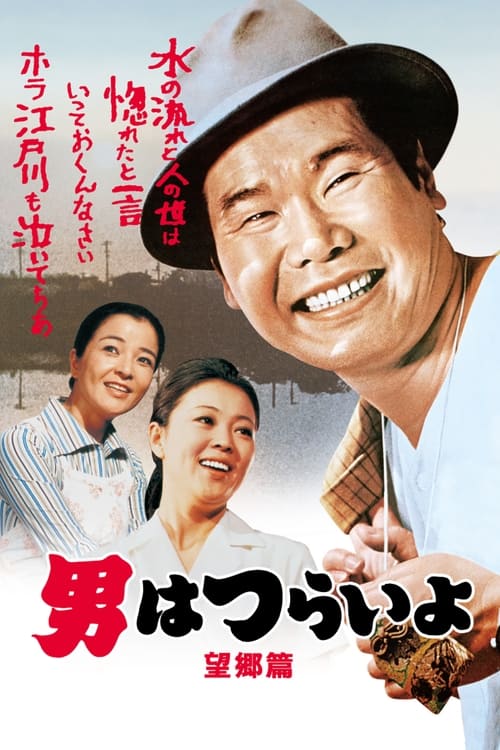
1971

1990
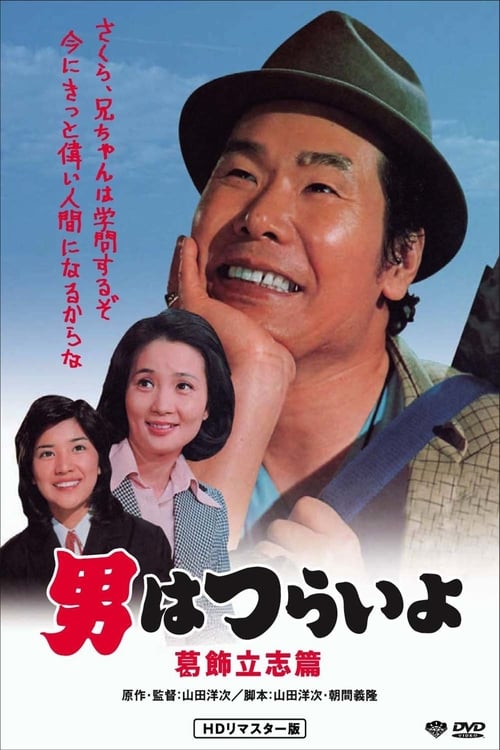
1975
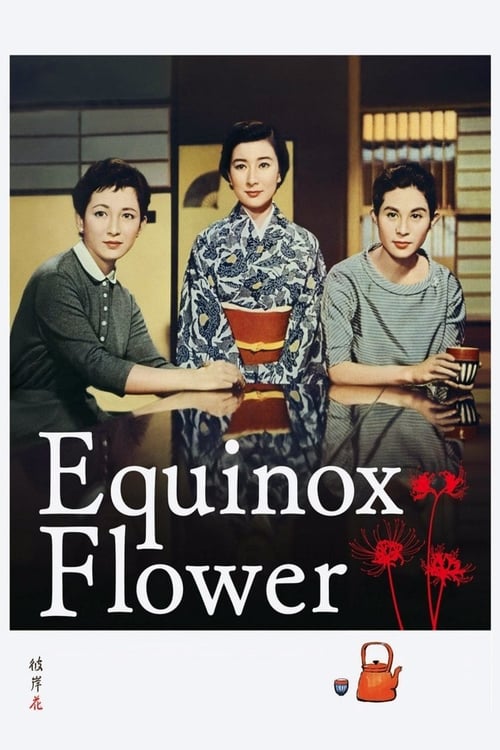
1958
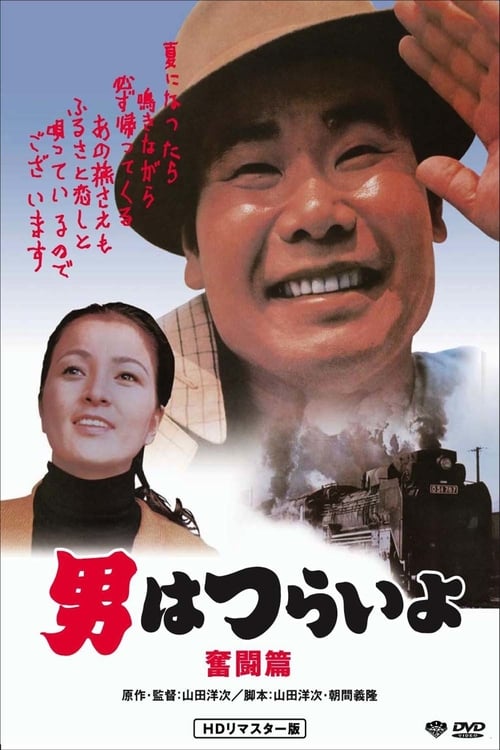
1971
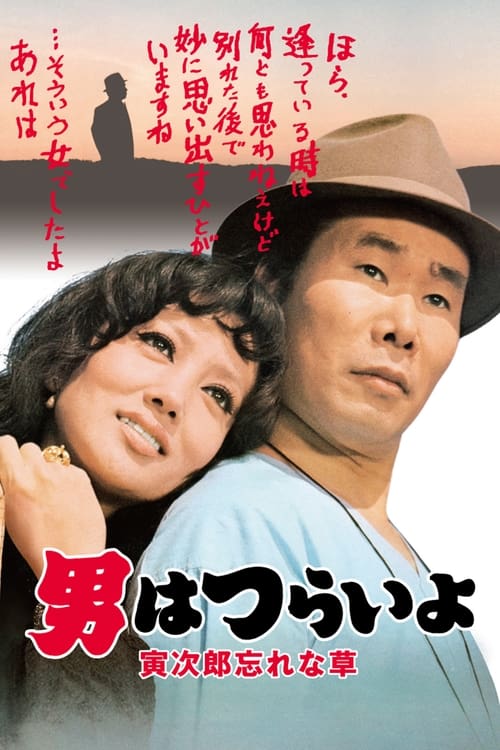
1973
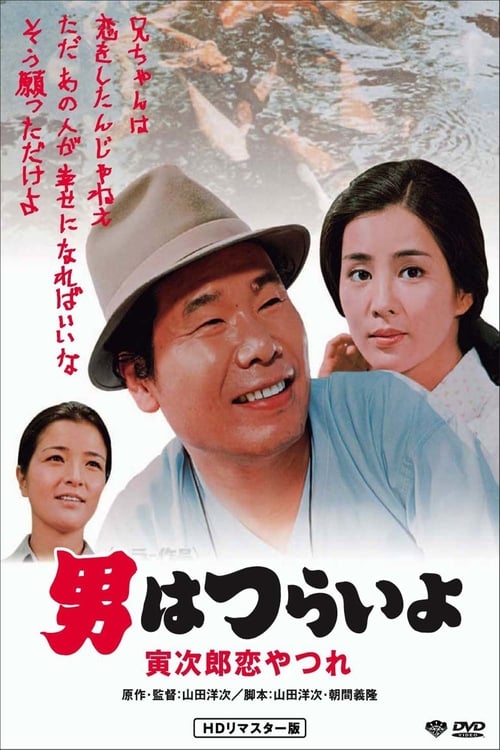
1974
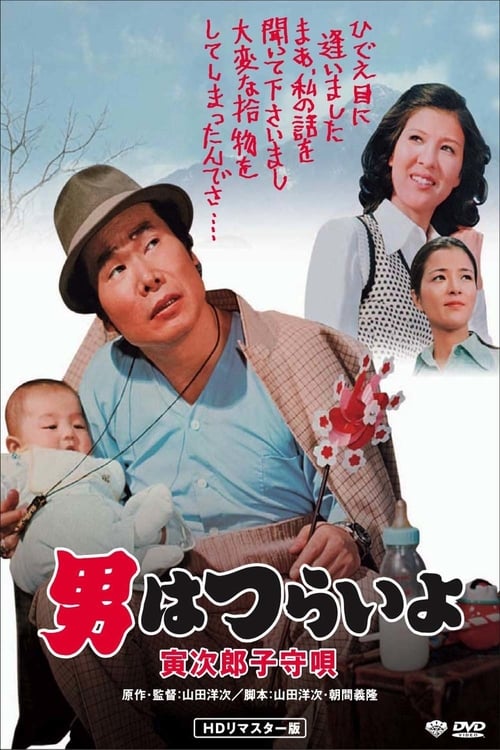
1974
No reviews yet. Be the first to share your thoughts on this movie!
Use the rating form above to leave a star rating and optional review.