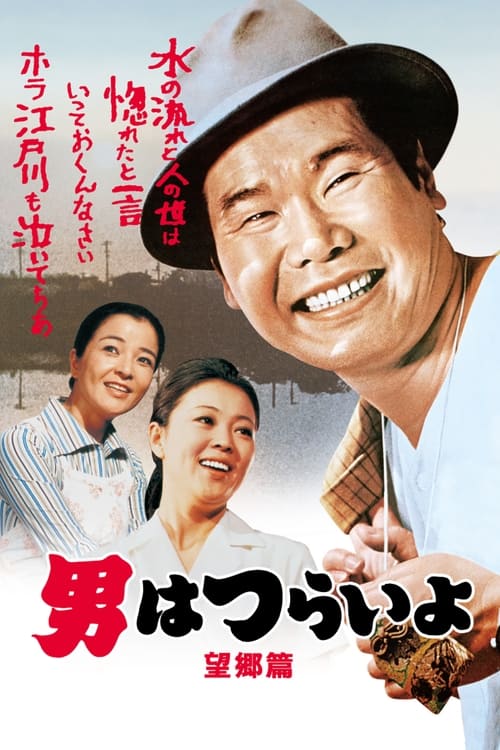
Tora-san's Runaway
1970
No user ratings available yet
Diversity score: 3.4 out of 10
1969
Director
Yoji Yamada
Runtime
93 minutes
Average Rating
No ratings yetSynopsis
Kuruma Torajiro is discovered looking around Kyoto for someone special to him.
Overall Score
Limited
Category Breakdown
LGBTQ+ Representation
The film operates within a strictly heteronormative framework. There are no depictions of queer romantic arcs or non-cisnormative identities.
Gender Representation
Female characters like Sakura provide emotional stability through nurturing, domestic roles. Tora-san offers a slight subversion of masculinity via his volatility, yet the patriarchal family structure remains intact.
Racial & Ethnic Diversity
The cast is homogeneous, reflecting the specific demographic of the Shibamata district. The film lacks ethnic or racial plurality, focusing instead on a localized Japanese working-class experience.
Religious & Cultural Diversity
The narrative is deeply rooted in traditionalism and community cohesion. It prioritizes old-world values and social decorum over modern urbanism or systemic critique.
Disability Representation
There are no prominent depictions of physical or neurodivergent disabilities that serve as central character traits or drive the narrative.
Strengths
Areas for Improvement
AI Analysis
Tora-san's Cherished Mother is a work of cultural preservation rather than social subversion. It excels at providing ethnographic detail of a specific Japanese socioeconomic class, capturing the essence of Shitamachi culture. However, this focus on nostalgia comes at the expense of diversity. The film reinforces traditional hierarchies and gender roles, relying heavily on female emotional labor to maintain household stability. Its narrative architecture is designed to defend traditional social structures rather than challenge them. Ultimately, the film presents a homogeneous view of society. While it offers a beautiful, bittersweet look at vanishing social structures, it lacks the plurality required for a modern, diverse cinematic experience.
1970
1969
1973
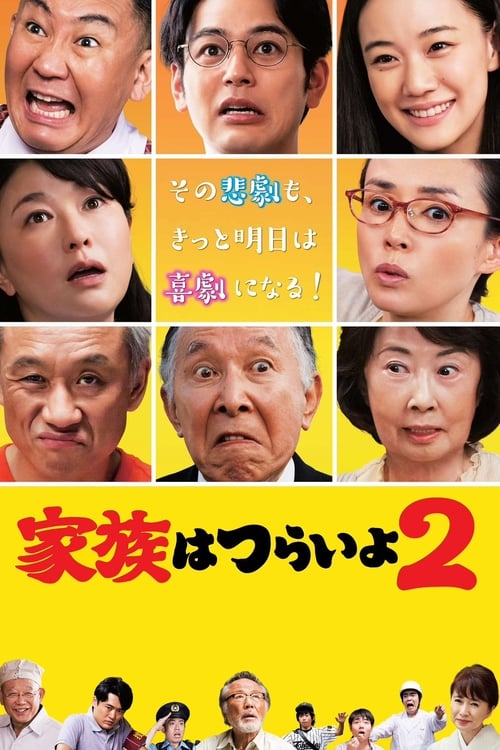
2017

1959
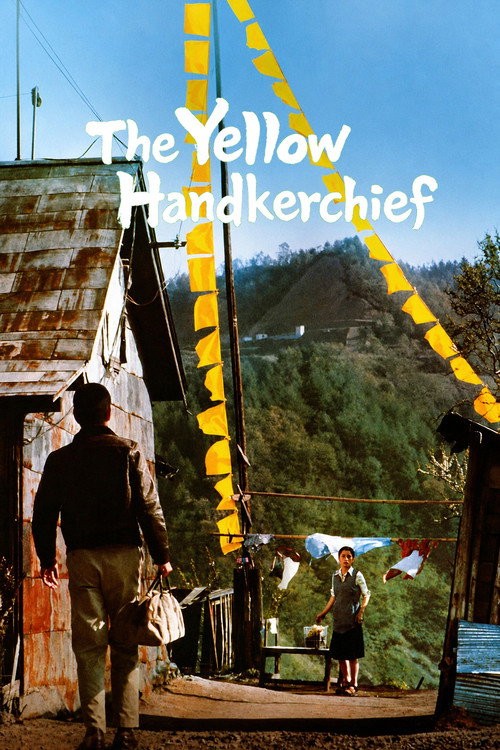
1977

1959

1980
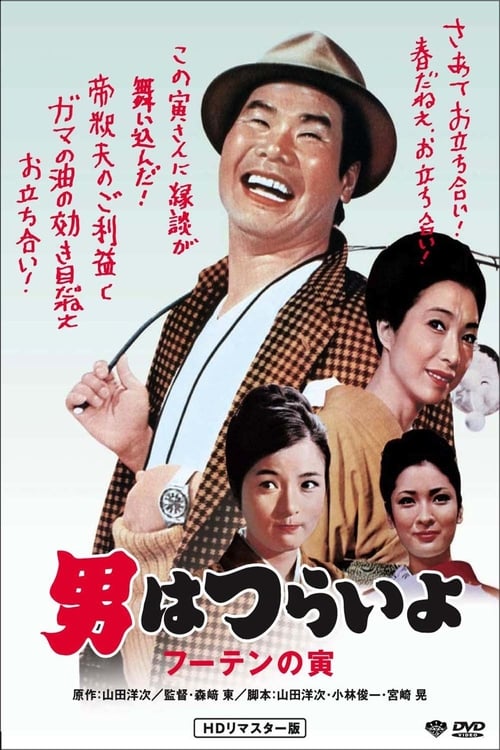
1970

1983

1962

1967
No reviews yet. Be the first to share your thoughts on this movie!
Use the rating form above to leave a star rating and optional review.