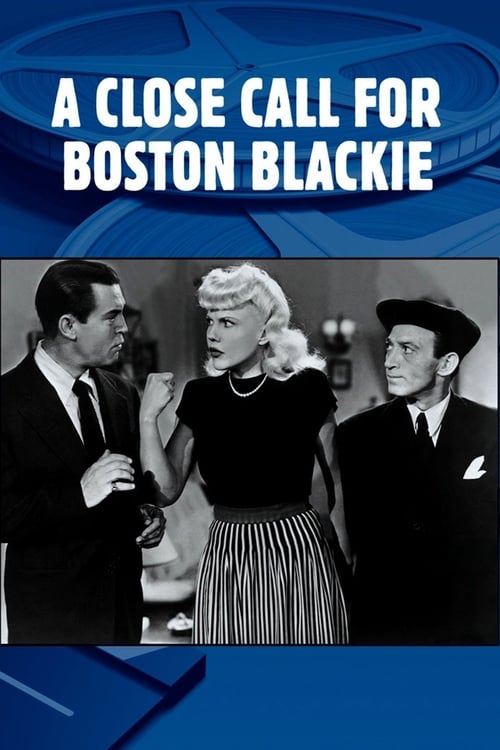
A Close Call for Boston Blackie
1946
No user ratings available yet
Diversity score: 1.4 out of 10
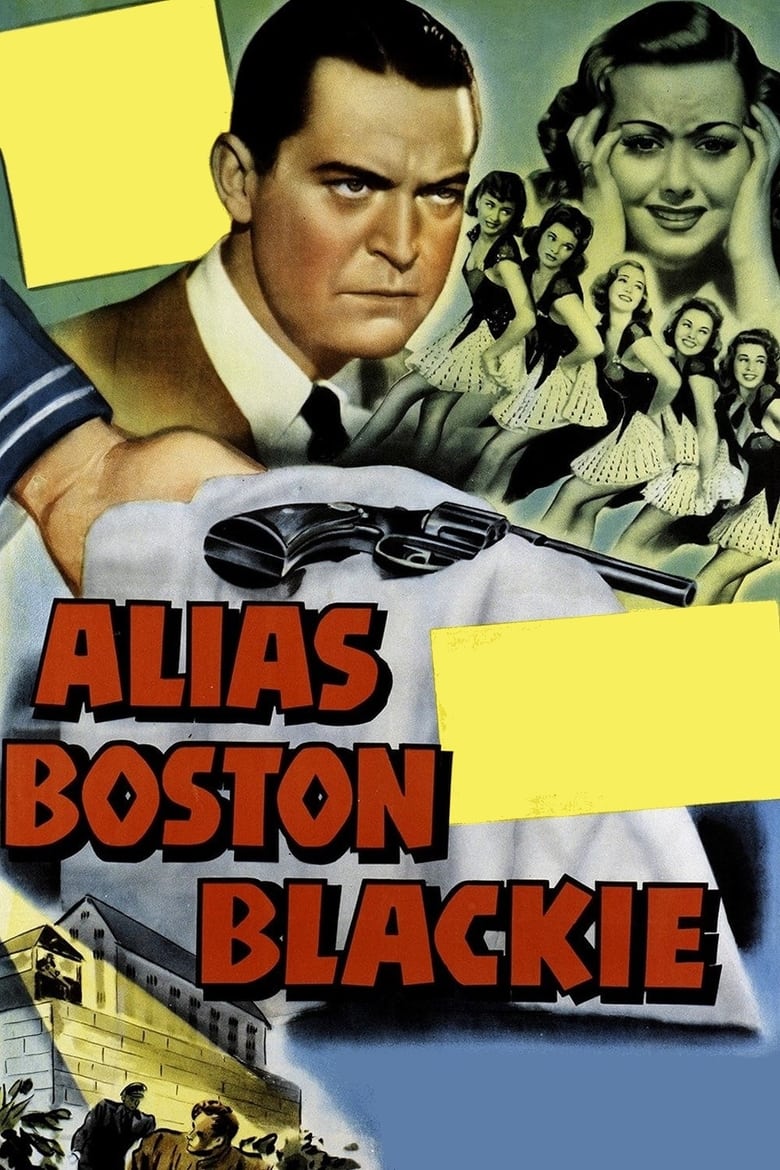
1942
NRDirector
Lew Landers
Runtime
67 minutes
Average Rating
No ratings yetSynopsis
It is the Christmas Holidays and reformed thief, Boston Blackie goes to Castle Theater to pick up players who will perform for prisoners that are still in prison. He takes a girl with him who has a brother already in prison. She has visited the prison twice in the month, so is not suppose to visit again. However when the group is completed the girl is included as well as Inspector Farrady. One of the clowns in the show is kidnapped and replaced by a con who wants to get even with two ex-partners. Boston Blackie figures out that a con has replaced one of his clowns but is unable to stop him. Blackie's clothes are stolen and a murder is committed. Of course, the Inspector immediately suspects Blackie of being involved. Now it is Blackie's job to find the killer, exonerate himself and help the girl free her brother.
Overall Score
Minimal
Category Breakdown
LGBTQ+ Representation
The film lacks any discernible presence of LGBTQ+ characters or narratives. It adheres strictly to the heteronormative standards of the 1942 mystery genre.
Gender Representation
The narrative follows traditional mid-century dynamics. While a female character drives the plot through her brother's imprisonment, she functions primarily as a person in need of assistance.
Racial & Ethnic Diversity
The film features a homogeneous cast typical of 1940s urban crime procedurals. There is no evidence of significant racial blending or characters of color with high agency.
Religious & Cultural Diversity
The story operates within a framework of traditional Western institutionalism. It utilizes the tension between criminals and law enforcement to drive a standard mystery engine.
Disability Representation
There is no evidence of characters with visible or invisible disabilities. Disability is not used as a narrative device in this production.
Strengths
Areas for Improvement
AI Analysis
Alias Boston Blackie is a quintessential product of the 1940s Hollywood studio system, prioritizing genre tropes over social exploration. The film relies on a classic mystery framework where agency is concentrated almost exclusively in male protagonists, such as Blackie and Inspector Farrady. The narrative reinforces the social and legal status quo rather than challenging it. By focusing on a reformed thief seeking exoneration, the film validates existing institutional structures and traditional hierarchies. Ultimately, the work reflects the conservative social landscape of its era, offering little to no intersectional representation or disruption of established norms.
1946
1939
1943

1940
1938

1930

1933

1941
1945
1935
1937
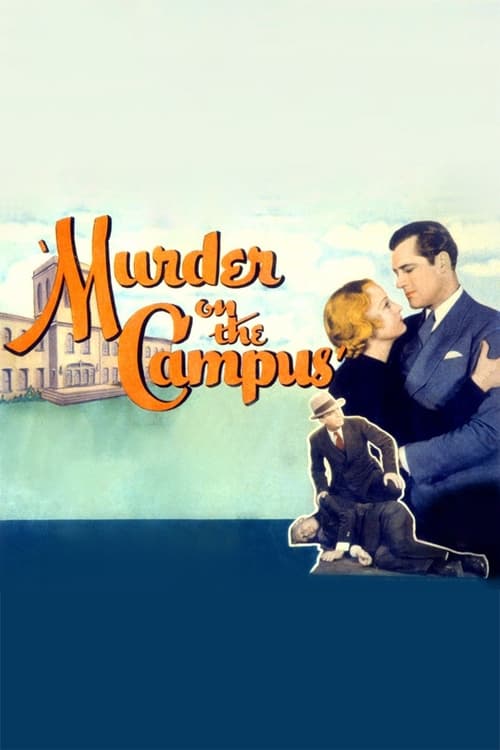
1933
No reviews yet. Be the first to share your thoughts on this movie!
Use the rating form above to leave a star rating and optional review.