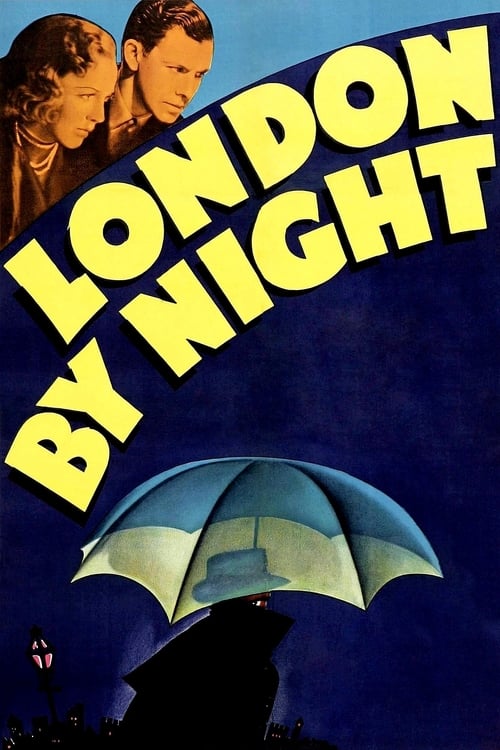
London by Night
1937
No user ratings available yet
Representation score: 1.7 out of 10
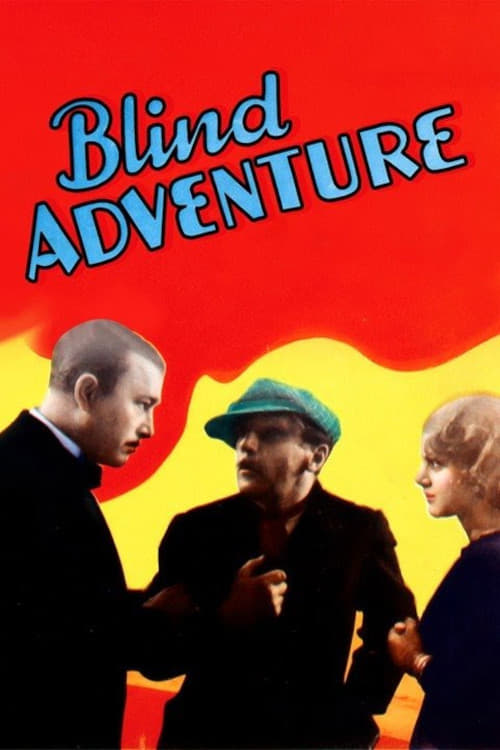
Representation Score
Minimal
1933
NRDirector
Ernest B. Schoedsack
Runtime
63 minutes
Average Rating
No ratings yetNew Showbiz Analysis
Blind Adventure is a traditional 1930s mystery-thriller that emphasizes plot-driven suspense over social commentary. The narrative relies on established genre clichés and conventional character archetypes common to the era. The film lacks complexity in representing various identities, featuring a male-driven investigation and a passive female counterpart. The setting and character descriptions suggest a homogeneous, Eurocentric worldview typical of early adventure cinema. Ultimately, the work functions as a standard period piece that upholds existing social and gender hierarchies without challenging them.
Category Breakdown
The film does not include any characters with non-straight identities or same-sex relationships. Character interactions follow traditional romantic or companionate patterns typical of the 1930s.
Gender roles adhere to conventional stereotypes. The female lead, Rose Thorne, is portrayed as an innocent bystander, implying passivity compared to the proactive male protagonist.
The story centers on American and unnamed characters in London. There is no indication of a diverse cast, suggesting a likely homogeneous, Eurocentric depiction.
The plot follows standard Western mystery conventions. It reinforces established geopolitical hierarchies through its focus on international intrigue without challenging them.
Despite the title, there are no characters with disabilities who have significant roles. The narrative does not represent neurodivergence or physical impairments.
Present on Screen
Limited or Absent
Official Synopsis
Richard Bruce, an American in fog bound London stumbles into the midst of international intrigue, with Rose Thorne, an innocent dupe. Together they try to unravel the mystery, enlisting the aid of a cat burglar named Holmes, who they bump into along the way.
1937
1946
1939
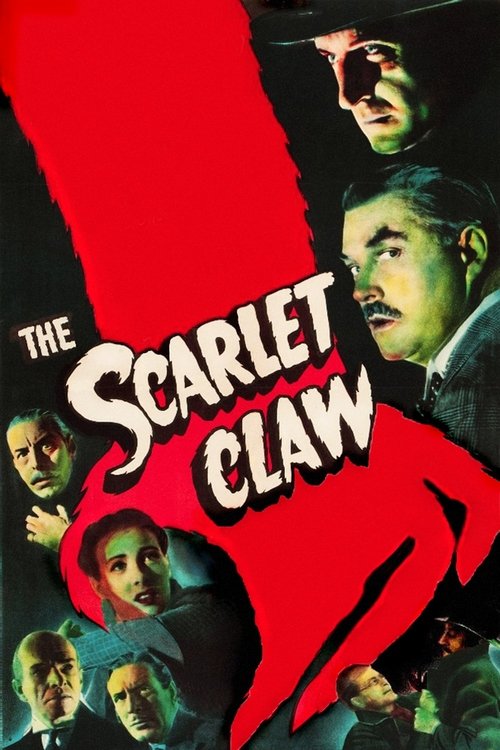
1944
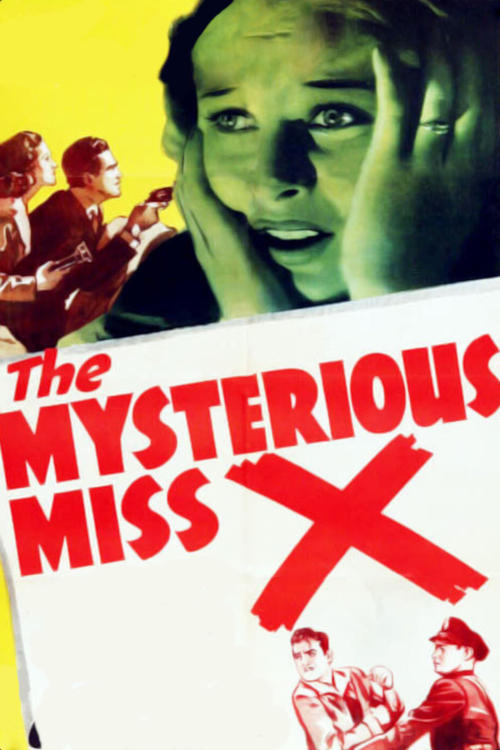
1939
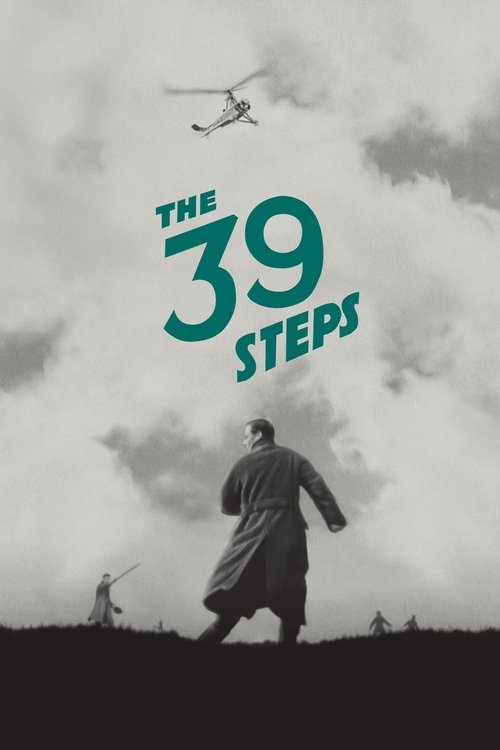
1935
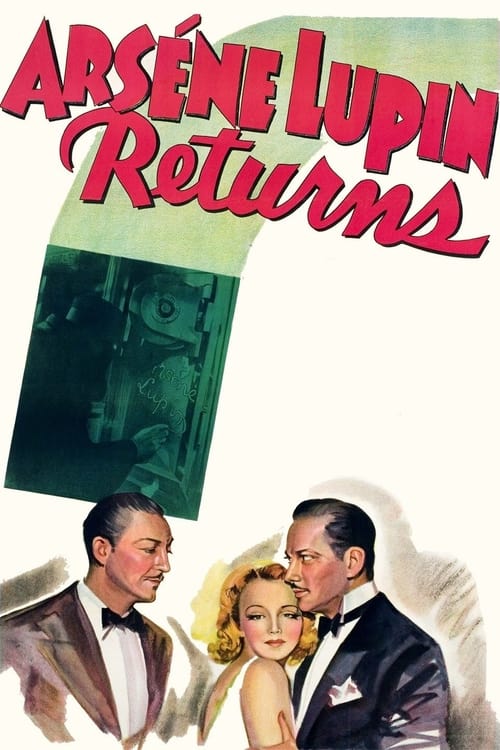
1938
1945
No reviews yet. Be the first to share your thoughts on this movie!
Use the rating form above to leave a star rating and optional review.