
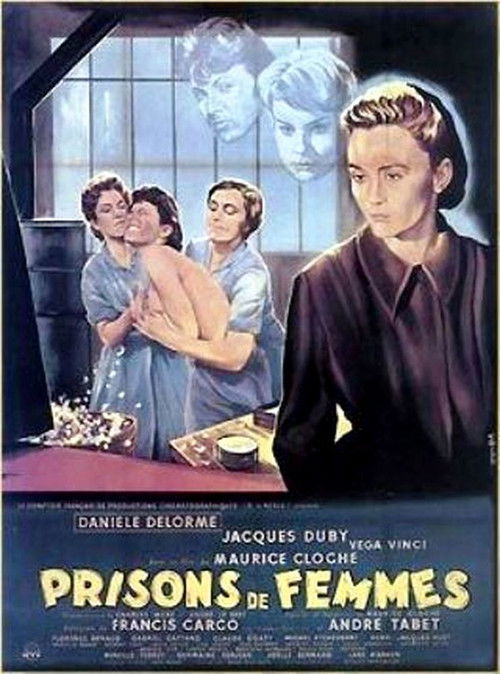
Women's Prison
1955
No user ratings available yet
Representation score: 5.4 out of 10
Representation Score
Fair
1958
Director
Maurice Cloche
Runtime
100 minutes
Average Rating
No ratings yetNew Showbiz Analysis
Maurice Cloche's drama successfully challenges traditional gender roles by placing women in a high-stress institutional environment rather than a domestic one. The film highlights women's ability to drive the story and complex social hierarchies among the inmates. However, the production is limited by the social conventions of 1958. The lack of racial diversity and the absence of LGBTQ+ representation result in a narrow social landscape that feels outdated by modern standards. Ultimately, the film is a gender-centric exploration of exclusion. It offers a compelling look at female power dynamics while remaining constrained by a traditional framework regarding race and sexuality.
Category Breakdown
The film follows the straight-centered norms of its time, with no indication of LGBTQ+ identities or subtext.
The story focuses on a female-dominated space, challenging traditional gender roles by highlighting women's complex interactions and power dynamics.
The cast is primarily made up of white actors, reflecting the era's limited diversity in casting. There are no significant roles for non-white characters.
The film examines systemic injustices and the conflicts between individuals and state institutions. It portrays the exclusion of women through their criminal status.
There are no prominent portrayals of physical or neurodivergent disabilities. Characters are defined by their legal and socioeconomic status rather than any disability-related stories.
Present on Screen
Limited or Absent
Official Synopsis
Alice Rémon, a pharmacist, is a prostitute who managed to leave the streets by getting married. Her husband dies one day, poisoned. Her mother-in-law, who hates her, accuses her of murder.
1955

1958

1951

1970

1952

1972

1953

1964
No reviews yet. Be the first to share your thoughts on this movie!
Use the rating form above to leave a star rating and optional review.