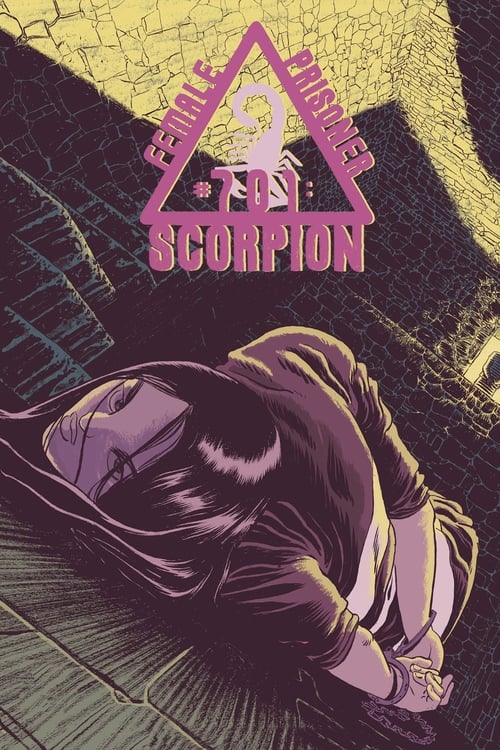
Female Prisoner #701: Scorpion
1972
No user ratings available yet
Representation score: 7.0 out of 10

Representation Score
Good
1972
Not RatedDirector
Shunya Ito
Runtime
90 minutes
Average Rating
No ratings yetNew Showbiz Analysis
Shunya Ito's work employs stylized violence and high-contrast cinematography to critique systemic oppression. The film deconstructs institutional power and subverts traditional gender hierarchies through the protagonist's transformation. While the film lacks explicit LGBTQ+ or racial diversity, it excels in its anti-authoritarian stance. It effectively frames the carceral setting as a metaphor for broader societal failures and state-controlled environments. Ultimately, the film presents the criminal protagonist as a resilient figure against a predatory establishment, challenging conventional narratives.
Category Breakdown
The film does not explicitly include LGBTQ+ identities or same-sex romantic relationships. Female characters form strong bonds through shared traumatic experiences, but these relationships focus on survival rather than romance.
Matsu challenges traditional feminine roles by adopting a hardened, independent persona. Male authority figures are portrayed as predatory and morally bankrupt, stripping them of their status.
The cast is ethnically uniform, reflecting the Japanese production context. The film avoids a Western-centric perspective by focusing entirely on a non-Western social structure.
The film offers a critical view of state power and institutions. It portrays the prison system as a corrupt mechanism of dehumanization, emphasizing the integrity of the outlaw over the law.
Physical and psychological trauma are prevalent throughout the story. However, these elements primarily serve as plot devices to highlight systemic cruelty rather than giving characters ability to act.
Present on Screen
Limited or Absent
Official Synopsis
After being used and betrayed by the detective she had fallen in love with, young Matsu is sent to a female prison full of sadistic guards and disobedient prisoners.
1972

1974

1975

1973

1983

1998
1976

1976
No reviews yet. Be the first to share your thoughts on this movie!
Use the rating form above to leave a star rating and optional review.