Glimpses of Western Germany
1954
No user ratings available yet
Representation score: 0.3 out of 10
Representation Score
Minimal
1946
ApprovedRuntime
10 minutes
Average Rating
No ratings yetNew Showbiz Analysis
The film serves as a post-war visual archive rather than a character-driven narrative. Its primary objective is the observational documentation of architectural landscapes and the physical remnants of World War II. Since the film is a non-narrative travelogue, it lacks the social commentary or identity politics found in feature films. The absence of human-centric storytelling means there is no representation of gender, sexuality, or disability. Ultimately, the film provides a historical snapshot of a specific geographic moment. Its low diversity score is a byproduct of its genre's focus on urban reconstruction and civic documentation.
Category Breakdown
The film does not depict any characters based on gender identity or sexual orientation. Since it is a travelogue focused on architecture, there are no interpersonal relationships or character development.
There are no characters present to evaluate for ability to act or social roles. The focus remains entirely on static structures and historical sites.
The visual focus is strictly on London's physical ruins and historic buildings. The film lacks a narrative framework to explore racial diversity or the overlapping aspects of identity.
The film emphasizes the preservation of Western historical institutions and the aftermath of war. It functions as a neutral record of urban recovery without promoting specific ideologies.
The documentary focuses on the built environment rather than human subjects. Consequently, there is no evidence of characters with visible or invisible disabilities.
Present on Screen
Limited or Absent
Official Synopsis
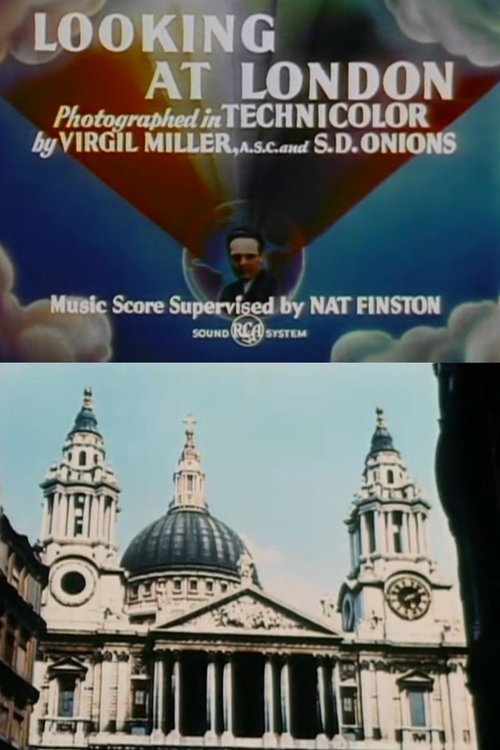
A colorful travelogue of London's most historic buildings and the residual damage still left from WWII.
1954

1927
1948

1929

1946
1966
1945
1951
No reviews yet. Be the first to share your thoughts on this movie!
Use the rating form above to leave a star rating and optional review.