
1945: The Fall of the Reich
2015
No user ratings available yet
Representation score: 1.6 out of 10
Representation Score
Minimal
1945
Director
Willi Cronauer
Runtime
68 minutes
Average Rating
No ratings yetNew Showbiz Analysis
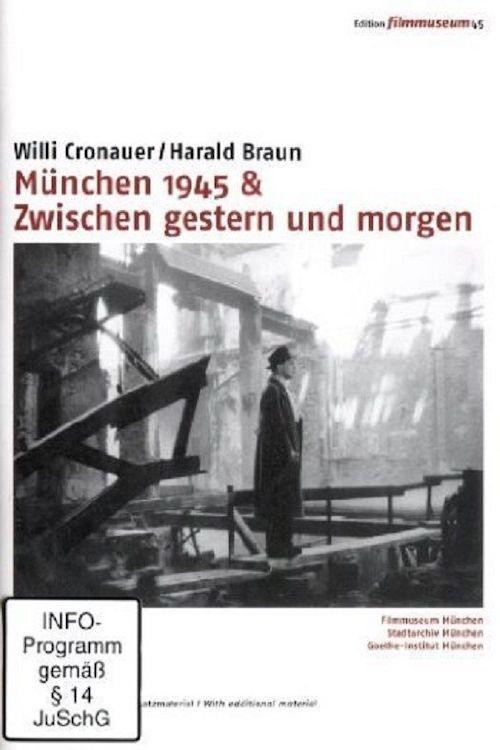
München 1945 is a journalistic documentary capturing the immediate aftermath of Munich's liberation by American troops. Its primary goal is to record the urban landscape and social conditions of a post-conflict city. As a product of its time, the film adheres to the observational constraints of 1945. It lacks the modern framework needed to explore identity politics, multi-layered casting, or the deconstruction of social hierarchies. The diversity present is a byproduct of the historical context, such as the presence of American soldiers, rather than a deliberate narrative choice.
Category Breakdown
The film does not include any characters with LGBTQ+ identities or arcs. As a 1945 documentary, it focuses on recording urban landscapes rather than exploring queer identities.
Women are shown in traditional roles related to survival and domesticity. The film reflects the strict social structures of the mid-1940s without challenging gender hierarchies.
Diversity is a result of the American military presence rather than intentional casting. While American soldiers introduce different demographics, the footage reflects the social hierarchy of 1945.
The work serves as a historical document of the transition from Nazi control to American occupation. It does not engage in critiques of Western institutions, capitalism, or religion.
There is no specific evidence of how individuals with disabilities are portrayed. The observational nature of the documentary does not address disability issues.
Present on Screen
Limited or Absent
Official Synopsis
Shot in Munich just a few weeks after it was taken by the American troops on April 30, 1945.
2015

1935
1954

1938

1946
1998
2020
1947
No reviews yet. Be the first to share your thoughts on this movie!
Use the rating form above to leave a star rating and optional review.