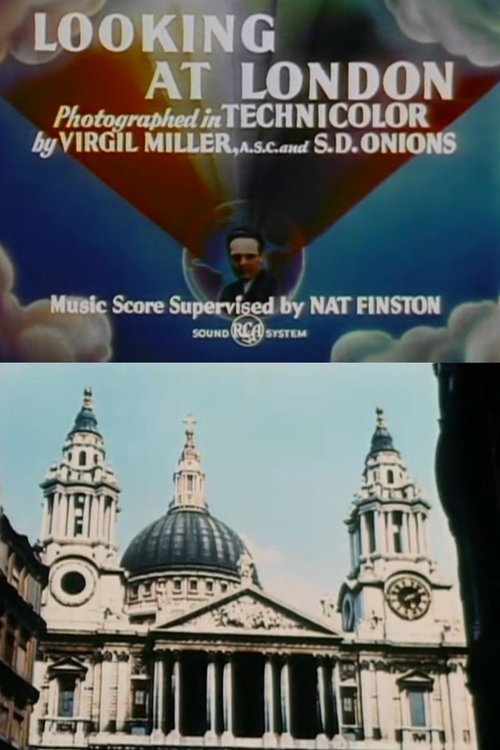
Looking at London
1946
No user ratings available yet
Representation score: 0.2 out of 10
Representation Score
Minimal
1948
ApprovedRuntime
10 minutes
Average Rating
No ratings yetNew Showbiz Analysis
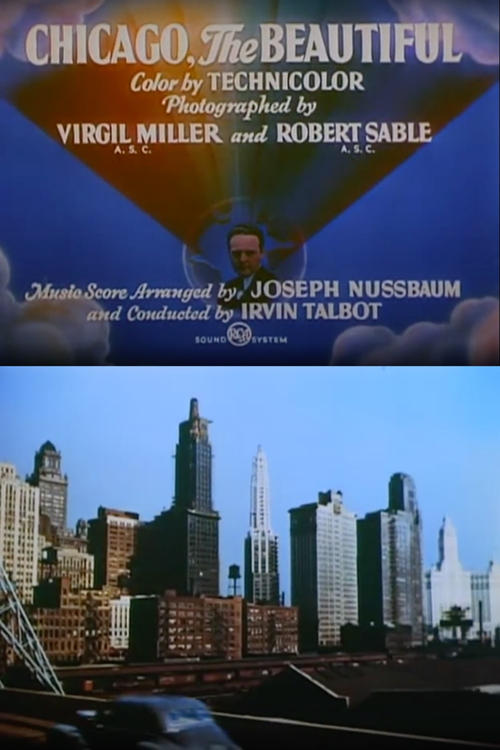
As a 1948 architectural documentary, 'Chicago, the Beautiful' focuses entirely on the city's physical structures and civic geography. Its purpose is to showcase landmarks and urban architecture rather than human stories. Because the narrative is centered on the built environment, it lacks the character-driven arcs necessary to explore social identities. There are no interpersonal dynamics or human figures present to represent various social groups. The film reflects the mid-century tradition of celebrating institutional permanence and civic order, prioritizing the grandeur of established municipal institutions over social diversity.
Category Breakdown
The film focuses on showcasing urban landmarks and does not depict any interpersonal relationships or gender-nonconforming identities.
The documentary highlights architectural structures and lacks characters that could reveal gender roles or ability to act.
The film emphasizes the uniform aesthetic of mid-century urban landscapes and does not show diverse human presence or underrepresented neighborhoods.
The film celebrates Western civic achievements and reinforces the grandeur of established municipal institutions.
The documentary centers on urban landmarks and does not depict individuals with physical or neurodivergent identities.
Present on Screen
Limited or Absent
Official Synopsis
A visit to Chicago, featuring the city's architecture and well-known landmarks.
1946

1927
1940

1929
1938
1940
1949
1929
No reviews yet. Be the first to share your thoughts on this movie!
Use the rating form above to leave a star rating and optional review.