Looking at London
1946
No user ratings available yet
Representation score: 0.2 out of 10
Representation Score
Minimal
1966
Director
Joris Ivens
Runtime
20 minutes
Average Rating
No ratings yetNew Showbiz Analysis
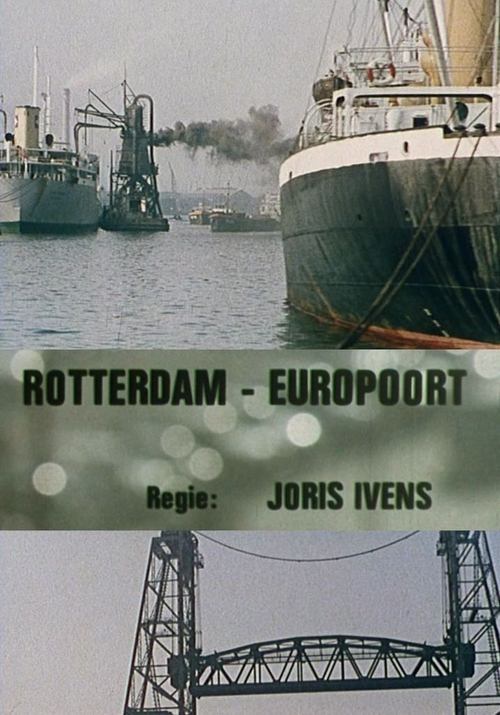
Rotterdam-Europoort is a technical documentary centered on the scale of maritime industry and post-war reconstruction. Because the subject matter is primarily mechanical and logistical, there is very little room for character-driven representation of identity. The film's strength lies in its cultural layering, using mythic elements to connect history with modern industry. However, the heavy emphasis on industrial machinery results in a landscape that lacks human diversity, particularly regarding gender and disability. Ultimately, the work functions as an instructional examination of a port rather than a social study, leading to a low score for characters who reflect more than one aspect of diversity.
Category Breakdown
The film focuses solely on maritime infrastructure and mechanical processes. There are no LGBTQ+ characters or narratives addressing non-straight relationships.
The narrative centers around industrial labor and large-scale capital infrastructure. It lacks visible roles for women, reflecting a mid-century landscape dominated by masculine-coded labor.
The visual focus remains on infrastructure and the movement of goods. There is no significant evidence of a diverse cast or representation of multiple racial backgrounds.
The inclusion of the Flying Dutchman myth connects maritime folklore with industrial reality. The film focuses on secular, systemic industrial progress rather than religious themes.
The film provides no focus on neurodivergence or physical disabilities. The subjects are logistical systems and machines rather than individual human experiences.
Present on Screen
Limited or Absent
Official Synopsis
Instructional film about the (former) biggest harbour in the world, with a hybrid format. Well known Ivens themes are revisited, like The Flying Dutchman in the fiction part of the film, who returns to the modern day Rotterdam, that has recovered very well after the devastating bombardments in the second world war.
1946
1938
1928

1927
1929

2012
1954
1946
No reviews yet. Be the first to share your thoughts on this movie!
Use the rating form above to leave a star rating and optional review.