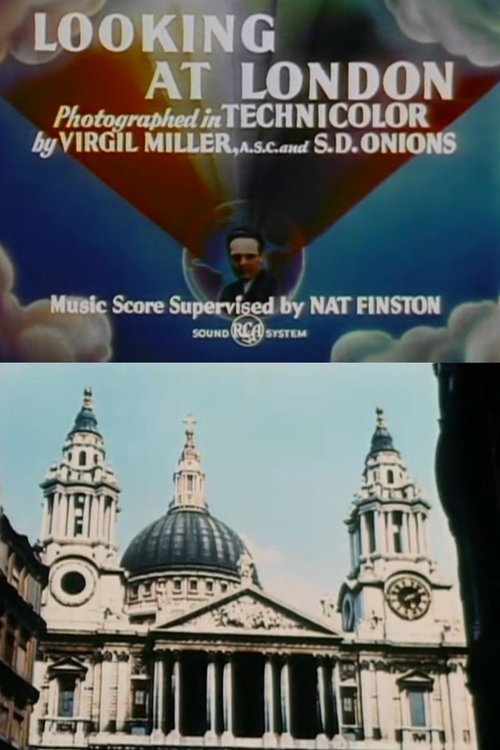
Looking at London
1946
No user ratings available yet
Representation score: 0.2 out of 10
No Poster Available
Representation Score
Minimal
1954
PassedDirector
James A. FitzPatrick
Runtime
9 minutes
Average Rating
No ratings yetNew Showbiz Analysis
This documentary functions as a mid-century travelogue designed to showcase the West German 'Economic Miracle.' It prioritizes the visual documentation of industrial revitalization and urban reconstruction following World War II. Because the film serves as a promotional tool for Western progress, it relies heavily on traditional social structures. The narrative architecture emphasizes a homogeneous, able-bodied, and patriarchal society to project an image of stability and order. Ultimately, the film reflects the era's standard documentary conventions, which omit diverse identities in favor of celebrating established socio-economic institutions and national recovery.
Category Breakdown
The film does not depict any LGBTQ+ individuals or non-straight relationships. The narrative focuses solely on the physical and economic landscape of post-war reconstruction.
The film reinforces traditional mid-century gender roles. Visuals highlight male dominance in industrial settings, while women are primarily shown in domestic or supportive social roles.
The documentary depicts a largely homogeneous population reflecting post-war West German demographics. There is an absence of racial or ethnic diversity within the featured urban scenes.
The film celebrates Western capitalist recovery and institutional stability. It emphasizes the restoration of traditional religious architecture and civic authority as symbols of progress.
There is no visible representation of individuals with physical or neurodivergent disabilities. The focus remains on able-bodied depictions of labor and industrial movement.
Present on Screen
Limited or Absent
Official Synopsis
This James A. FitzPatrick Traveltalks short visits the West German cities of Hamburg, Bremen, Munich, and Heidelberg. Included are scenes of World War II destruction that lingered at the time.
1946
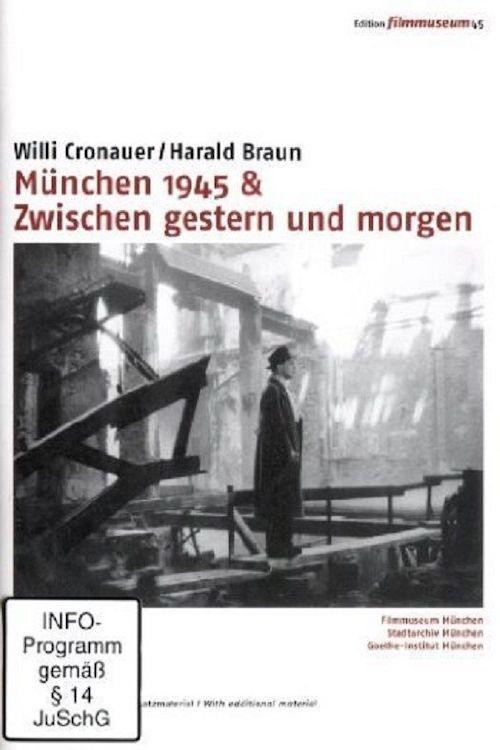
1945
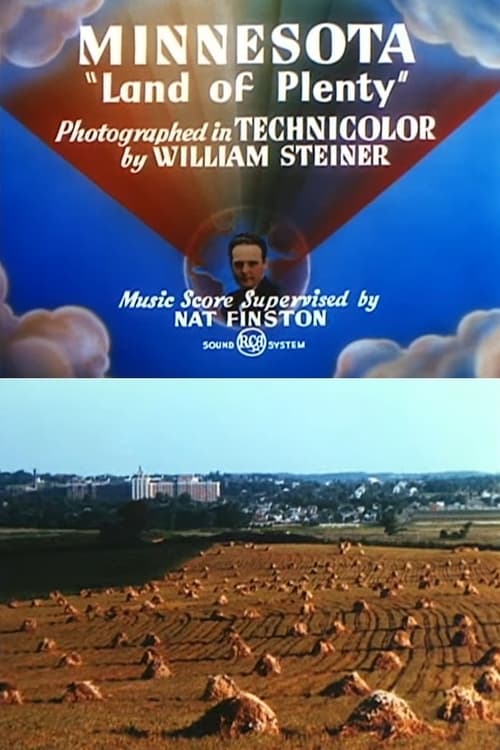
1942

1946
1947
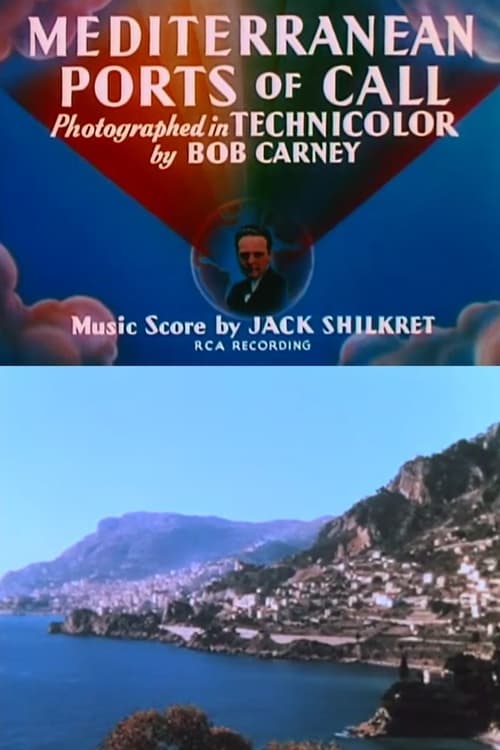
1941
1946
1956
No reviews yet. Be the first to share your thoughts on this movie!
Use the rating form above to leave a star rating and optional review.