Anne Trister
1986
No user ratings available yet
Representation score: 7.3 out of 10
Representation Score
Good
1983
Director
Marcel Schüpbach
Runtime
78 minutes
Average Rating
No ratings yetNew Showbiz Analysis
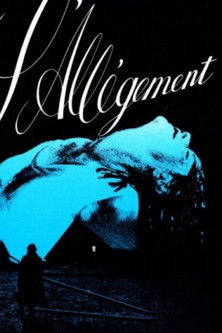
The Unburdening is a surrealist character study that challenges traditional gender roles and the stability of the patriarchal family unit. By centering a woman's internal rebellion against a dull, rural existence, the film validates complex, non-traditional internal lives. However, the film lacks visible breadth in its representation. The narrative appears focused on a homogeneous European setting, offering little evidence of racial or explicit LGBTQ+ diversity. The exploration of mental health remains tied to a specific character arc. Ultimately, the film functions as a mid-range progressive work, validating complex internal lives while lacking a diverse cast of characters from various backgrounds.
Category Breakdown
The film explores a protagonist's search for a passionate existence, hinting at non-traditional desires. While specific LGBTQ+ identities aren't confirmed, the tension between personal impulses and societal norms suggests a focus on identities outside traditional boundaries.
The story centers on a woman's psychological struggle and her rejection of a dull, domestic life. It prioritizes her subjective experience over the passive femininity expected in a rural setting.
The setting suggests a homogeneous European cast typical of its time and place. There is little evidence of racial diversity within this traditional country home environment.
The story critiques traditional domestic legacies by framing insanity as a result of passion. It prioritizes individual emotional truths over the stability of the family unit or social norms.
Mental health and neurodivergence are explored through the protagonist's descent into near-insanity. The surrealist approach uses psychological instability to investigate deeper, non-linear truths.
Present on Screen
Limited or Absent
Official Synopsis
In this surreal, overstated, black-and-white film by Marcel Schuepbach, a young woman is slowly driven to near insanity by an inner desire for a passionate existence, while she lives a dull life at her grandmother's country home. The grandmother recalls how her own daughter lost hold of sanity and died on her lover's grave -- and she begins to see similarities in her granddaughter's behavior.
1986
1976
1981

1967
2009
1997

1981
1986
No reviews yet. Be the first to share your thoughts on this movie!
Use the rating form above to leave a star rating and optional review.