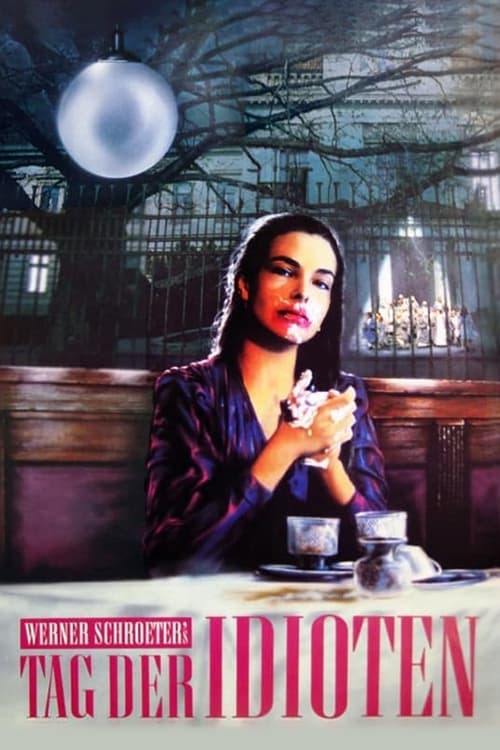
Day of the Idiots
1981
No user ratings available yet
Representation score: 7.7 out of 10
Representation Score
Good
1986
Director
Mariusz Grzegorzek
Runtime
11 minutes
Average Rating
No ratings yetNew Showbiz Analysis
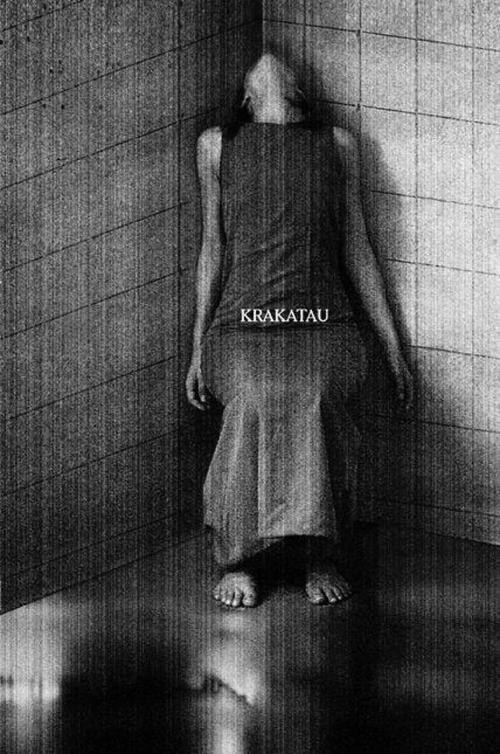
Krakatau is a psychological study that emphasizes subjective experience over traditional storytelling. It places neurodivergence at the center of the narrative, using madness as a primary narrative tool. This approach gives the protagonist a strong role in shaping the visual reality. However, the film lacks explicit demographic diversity. Reflecting the specific geographic and temporal context of 1980s Poland, it does not offer the broad racial and ethnic diversity seen in modern global cinema. Ultimately, the film's strength lies in its disruption of conventional social narratives. It replaces stable, cohesive archetypes with a fragmented exploration of the human condition and the instability of the psyche.
Category Breakdown
While specific LGBTQ+ identities are not explicitly mentioned, the film explores themes of inner turmoil and dreamlike intensity, suggesting a focus on non-traditional psychological states and feelings of alienation.
The film moves away from traditional gender roles by focusing on madness and inner turmoil. This shift deconstructs the idea of a stable family unit in favor of fragmented, personal experiences.
As a Polish film from the 1980s, it reflects the demographics of its time. Its focus on universal human psychology might overshadow the importance of diverse cultural backgrounds.
By emphasizing dreamlike intensity, the film questions traditional Western rational thinking. Prioritizing subjective experiences over objective social order highlights the critique of established institutions.
The film centers on mental health and neurodivergence, placing psychological instability at the core of the narrative. It grants the protagonist a significant role in shaping the visual reality through their internal experiences.
Present on Screen
Limited or Absent
Official Synopsis
An portrait of madness and inner turmoil, conveyed through mesmeric images of dreamlike intensity.
1981
1985

2007
1976
1966

1995

1966
2002
No reviews yet. Be the first to share your thoughts on this movie!
Use the rating form above to leave a star rating and optional review.