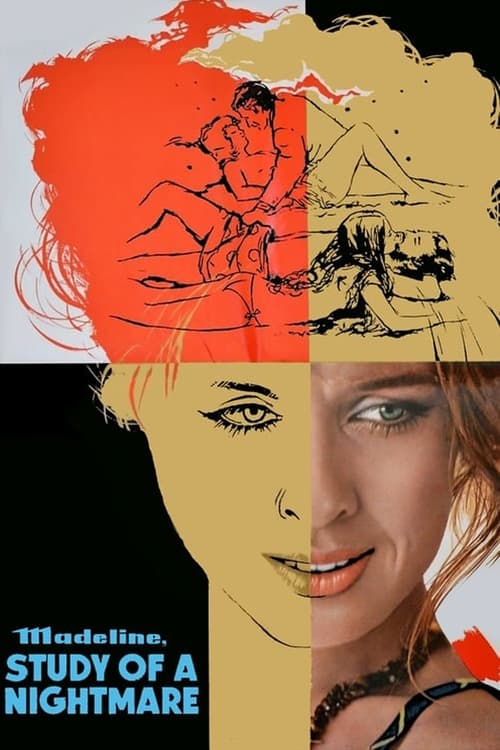
Madeline, Study of a Nightmare
1974
No user ratings available yet
Representation score: 6.9 out of 10

Representation Score
Excellent
1981
Director
Carlos Imperial
Runtime
71 minutes
Average Rating
No ratings yetNew Showbiz Analysis
Carlos Imperial’s work disrupts traditional storytelling by focusing on psychological instability and the blurring of reality. The film successfully challenges masculine authority, positioning women as the drivers of the protagonist's internal world. However, it lacks explicit representation of LGBTQ+ identities or clear details about racial and ethnic diversity. The narrative primarily focuses on the individual's psychological crisis rather than broader social identities. Ultimately, the film serves as an exploration of subjective experiences, challenging social norms through its depiction of a man retreating into a state of hallucinatory isolation.
Category Breakdown
The film does not include explicit romantic arcs centered around LGBTQ+ identities or non-cisgender roles. Instead, it focuses on the protagonist's psychological unraveling and hallucinations.
Women play crucial roles in transforming the narrative. By making the male lead psychologically dependent on female characters, the film challenges traditional patriarchal structures.
The story centers on a domestic drama without specifying the racial makeup of the cast. It emphasizes psychological and class dynamics over ethnic diversity.
The film questions idealized Western views of stable patriarchal roles. It prioritizes dream-state logic and subjective morality over traditional social norms.
The story delves into severe mental health issues and neurodivergence. Fausto’s struggle to differentiate reality from hallucinations is a key part of the film.
Present on Screen
Limited or Absent
Official Synopsis
Fausto and Gilda who are married for a long time and love themselves deeply. But Gilda dies leaving Fausto alone with their 8-year-old daughter and a governess. Being shaken, he retreats to his country house. His female doctor is the only one who visits him. He starts being plagued every night by wet dreams, visions and hallucinations of some women and his wife, who insistently asks him to join him. After some time, Fausto can't distinguish any longer what is reality or dream.
1974
1976
1981

1976

1983

1972
1970

1984
No reviews yet. Be the first to share your thoughts on this movie!
Use the rating form above to leave a star rating and optional review.