
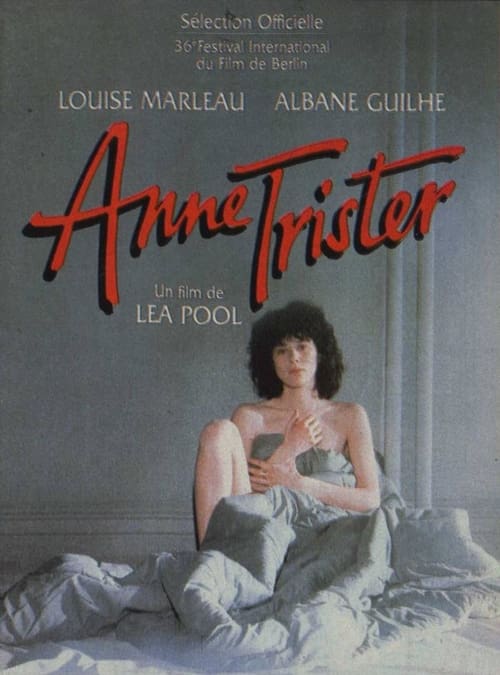
A Woman in Transit
1984
No user ratings available yet
Representation score: 8.3 out of 10
Representation Score
Good
1986
Director
Léa Pool
Runtime
103 minutes
Average Rating
No ratings yetNew Showbiz Analysis
Anne Trister is a character study that prioritizes female subjectivity and intellectual ability to act. By centering on a woman's professional and psychological landscape, the film moves away from traditional patriarchal narratives. However, the film lacks racial and ethnic diversity within the cast, appearing localized to a specific regional demographic. The narrative focus remains narrow, concentrating on personal identity rather than broader social dynamics. Ultimately, the film challenges conventional social hierarchies through its depiction of a woman's uncompromising creative drive, even as it risks relying on certain psychological clichés.
Category Breakdown
The film focuses on a female protagonist and her intense emotional obsessions. Her relationship with a Swiss lover remains unspecified, suggesting potential for exploring non-traditional relationships.
Anne is portrayed as a brilliant creator who prioritizes her artistic obsession over domestic life. This portrayal disrupts traditional gender roles by highlighting her psychological depth as a source of power.
Set in Quebec, the film reflects the region's demographic homogeneity of the time. There is no indication of a multi-ethnic cast or exploration of diverse racial backgrounds.
The story challenges traditional domesticity by focusing on an artist's descent into obsession. It emphasizes individualistic, anti-social creative pursuits over established social bonds and communal norms.
The protagonist's emotional instability introduces themes of mental health and neurodivergence. While it risks falling into the 'tortured artist' cliché, her psychological state drives much of the narrative.
Present on Screen
Limited or Absent
Official Synopsis
After the death of her father, Anne — a brilliant but emotionally unstable painter/sculptor — returns from Switzerland to her home town in Quebec. Setting up a studio, she becomes obsessed with her work, to the extent that she grows farther and farther from her Swiss lover.
1984

1974

1983

1988
1989

1996
2001
1999
No reviews yet. Be the first to share your thoughts on this movie!
Use the rating form above to leave a star rating and optional review.