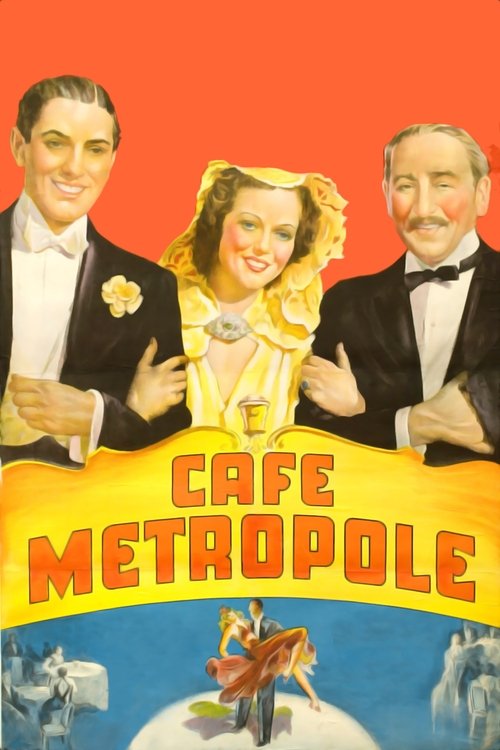
Café Metropole
1937
No user ratings available yet
Representation score: 2.5 out of 10
Representation Score
Minimal
1938
PassedDirector
Reinhold Schünzel
Runtime
72 minutes
Average Rating
No ratings yetNew Showbiz Analysis
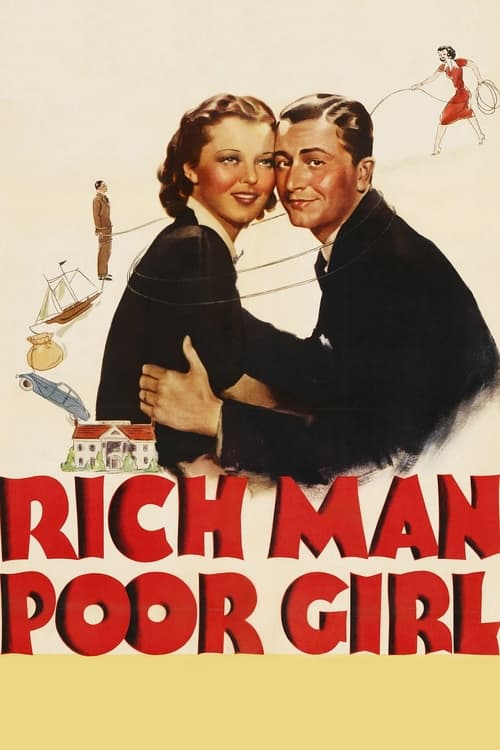
Rich Man, Poor Girl is a product of its time, using the classic 'class-clash' cliché to drive its romantic comedy structure. The narrative relies on the tension between a wealthy man and a working-class woman, often reinforcing traditional social hierarchies rather than challenging them. The film lacks meaningful representation of diverse identities, focusing instead on a homogeneous social landscape. While it touches on socioeconomic distinctions, it does so through a lens of social harmony typical of 1930s cinema. Ultimately, the film prioritizes conventional romantic clichés over the inclusion of diverse identities or the disruption of systemic power dynamics.
Category Breakdown
The film focuses on a traditional heterosexual relationship and does not include any characters with non-cisgender identities or narratives that question the assumption that everyone is straight.
The plot centers around a high-status man initiating contact with a lower-status woman. While the woman may play a significant role in the story, the male character usually drives the narrative.
The narrative centers on a homogeneous social group with no evidence of diverse casting or challenging Eurocentric norms.
The film explores class dynamics between capitalists and workers through a lens of social harmony, avoiding a critical examination of systemic issues.
There is no evidence of characters with visible or invisible disabilities being included in the story.
Present on Screen
Limited or Absent
Official Synopsis
A millionaire courts a working-class woman.
1937
1936
1927
1938
1941
1961

1939
1936
No reviews yet. Be the first to share your thoughts on this movie!
Use the rating form above to leave a star rating and optional review.