
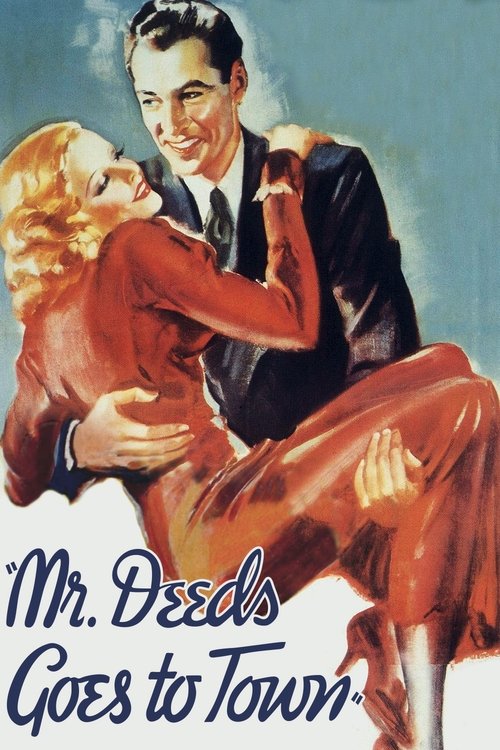
Mr. Deeds
2002
No user ratings available yet
Representation score: 2.5 out of 10
Representation Score
Limited
1936
NRDirector
Frank Capra
Runtime
115 minutes
Average Rating
No ratings yetNew Showbiz Analysis
Mr. Deeds Goes to Town is a study in populist idealism that prioritizes individual moral decision-making over broad demographic representation. While the film lacks racial or LGBTQ+ diversity, it excels in challenging institutional authority through its narrative structure. The film's strength lies in its critique of systemic corruption and its relatively progressive portrayal of its female lead. It positions the individual against a predatory capitalist machine, providing thematic depth that transcends the era's social limitations. Ultimately, the score reflects a tension between a lack of identity-based diversity and a strong, subversive social commentary.
Category Breakdown
The film does not feature any LGBTQ+ characters or non-straight relationships. The romantic storyline centers around a traditional heterosexual relationship between the main character and the female lead.
Babe Bennett challenges the passive feminine stereotypes typical of the 1930s by playing a significant role in driving the story. Although the romance adheres to period expectations, she avoids the stereotypical passive female roles of the time.
The cast is predominantly white and lacks racial diversity within the central narrative and social circles, reflecting the demographic constraints of the 1930s.
The story offers a sophisticated critique of predatory capitalism and corrupt legal systems. It champions populist morality against the exploitative nature of urban wealth and concentrated power.
There are no prominent depictions of physical or neurodivergent disabilities used as central plot drivers or character identifiers.
Present on Screen
Limited or Absent
Official Synopsis
Longfellow Deeds lives in a small town, leading a small town kind of life. When a relative dies and leaves Deeds a fortune, Longfellow moves to the big city where he becomes an instant target for everyone. Deeds outwits them all until Babe Bennett comes along. When small-town boy meets big-city girl anything can, and does, happen.
2002

1936

1934
1950
1928

1942

1938

1942
No reviews yet. Be the first to share your thoughts on this movie!
Use the rating form above to leave a star rating and optional review.