Windhorse
1998
No user ratings available yet
Representation score: 4.5 out of 10
Representation Score
Good
2006
Not RatedDirector
Garin Nugroho
Runtime
120 minutes
Average Rating
No ratings yetNew Showbiz Analysis
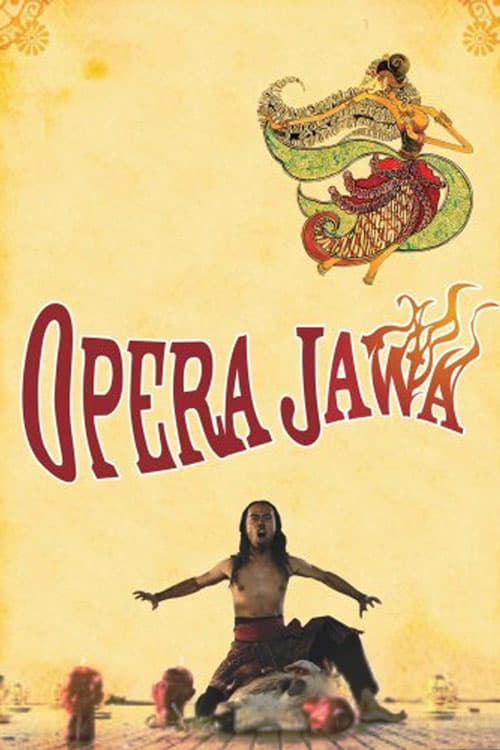
Requiem from Java is a culturally rich drama that emphasizes Javanese aesthetics and indigenous performance over Western narrative norms. By focusing on Wayang Wong performers, the film provides a strong platform for non-Western cultural expression. The film's strength lies in its ability to use localized traditions to critique systemic injustice and class volatility. It moves beyond simple romance to explore how personal conflicts can lead to communal collapse and civil war. However, the film adheres to conventional romantic boundaries regarding gender and sexuality. While Siti drives the plot, the character dynamics often follow traditional heterosexual conflict patterns.
Category Breakdown
The story revolves around a traditional love triangle involving Setyo, Siti, and Ludiro. There are no indications of relationships or identities that challenge the assumption that everyone is straight or cisgender.
Siti plays a key role in a power struggle between two men. She is often portrayed as an object of desire, but her decisions significantly influence the village's instability.
The film highlights Javanese Wayang Wong performers and local earthenware traditions, embedding itself deeply in Indonesian culture. This focus on indigenous performance art challenges Western storytelling conventions.
The story critiques power hierarchies and class dynamics using a non-Western moral framework. It explores how greed and economic hardship affect communal stability.
There are no visible or invisible disabilities depicted as central to the character arcs in this narrative.
Present on Screen
Limited or Absent
Official Synopsis
This is the story about Setyo, Siti and Ludiro, who were the performer of Javanese Ramayana's Wayang Wong. Setyo and Siti are spouse who live in a village by selling earthenware products. In the village, live as well Ludiro, the head of the stockyard, who is very wealthy and secretly in love with Siti. Conflicts arrived as Setyo's earthenware company is going bankrupt and Siti started to took notice in Ludiro's desire to win her love. These triangle love transform into a civil war in the village that brings not only extremity and injustice, but also the death of the loved ones.
1998
1965
1971
1988

2014

2008
1978
2011
No reviews yet. Be the first to share your thoughts on this movie!
Use the rating form above to leave a star rating and optional review.