
Suite Française
2015
No user ratings available yet
Representation score: 2.5 out of 10
Representation Score
Good
2011
RDirector
Angelina Jolie
Runtime
127 minutes
Average Rating
No ratings yetNew Showbiz Analysis
The film provides a sophisticated and harrowing look at how ethnic nationalism affects personal ability to act. By focusing on Bosniak and Serb experiences, it offers a platform for identities often sidelined in Western war cinema. The narrative avoids simple moral answers, opting for a complex view of human behavior during systemic collapse. While the film excels in its engagement with specific ethnic and cultural contexts, it lacks representation for LGBTQ+ identities. The depiction of disability, while realistic, often serves as a marker of violence rather than a nuanced exploration of character life.
Category Breakdown
There are no LGBTQ+ characters or non-assuming gender matches what was assigned at birth identities in the film. The story focuses solely on heterosexual relationships and conflicts.
The film highlights the psychological resilience of women in the face of systemic violence. It portrays traditional masculine roles as morally unstable and compromised by the conflict.
The story engages with Bosniak and Serb identities in a nuanced way. It avoids simplistic views of Balkan history by emphasizing the localized trauma of ethnic cleansing.
The film examines the breakdown of traditional institutions and family units. It critiques centralized power and nationalist institutions through a lens of moral relativism.
The physical and psychological scars of war are shown through injuries and trauma. These elements often serve as markers of violence rather than independent avenues for character development.
Present on Screen
Limited or Absent
Official Synopsis
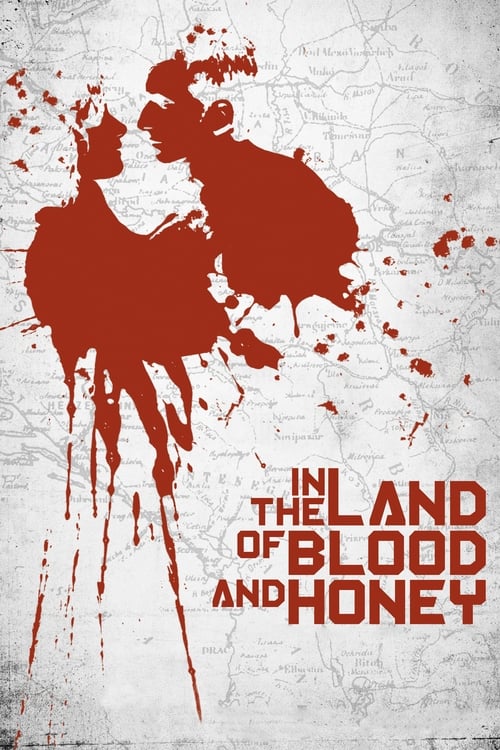
During the Bosnian War, Danijel, a soldier fighting for the Serbs, re-encounters Ajla, a Bosnian who's now a captive in his camp he oversees. Their once promising connection has become ambiguous as their motives have changed.
2015

2018

2001

1932

2019

1953

2017

2004
No reviews yet. Be the first to share your thoughts on this movie!
Use the rating form above to leave a star rating and optional review.