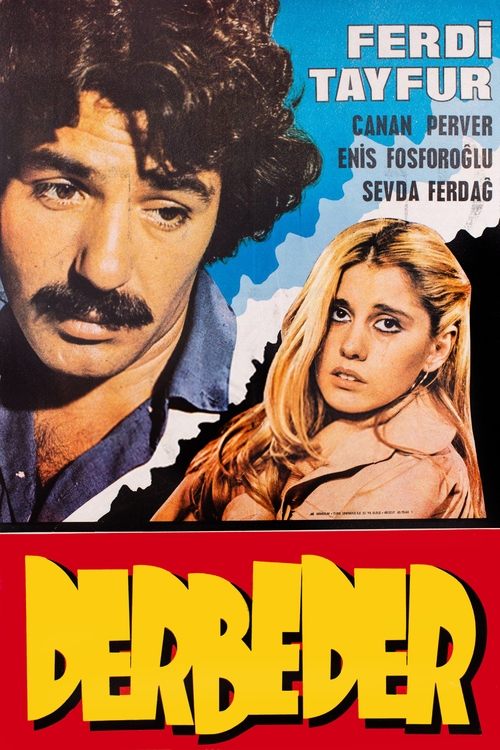
Derbeder
1978
No user ratings available yet
Representation score: 4.1 out of 10
Representation Score
Good
1978
Director
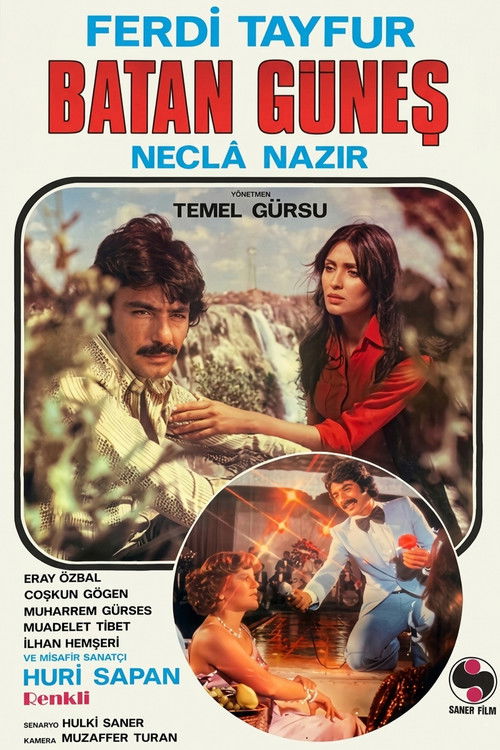
Temel Gürsu
Runtime
86 minutes
Average Rating
No ratings yetNew Showbiz Analysis
Batan Güneş is a social realist drama that uses a tragic romance to critique rural power structures. It effectively dismantles the perceived stability of village life, presenting traditional customs as sources of injustice. The film's strength lies in its critique of patriarchal and class-based oppression. By highlighting the community's actions as a cause of exile for the underrepresented, it challenges the sanctity of traditional social hierarchies. However, the film lacks modern markers of diversity. It does not include explicit LGBTQ+ representation, and the exploration of disability is tied to economic necessity rather than broader identity.
Category Breakdown
The film does not include explicit LGBTQ+ characters or explore non-straight relationships. The story centers around a traditional romantic conflict between Ferdi and Nazlı.
Nazlı plays a central role in the narrative despite facing systemic harm. The plot delves into patriarchal control through bride prices and harmful social rumors.
The drama is set in a specific Turkish region and focuses on internal social hierarchies and class status. It does not emphasize multi-ethnic representation.
The film critiques traditional institutions such as the village landlord and bride price, portraying these structures as corrupt forces that push characters into exile.
Medical necessity drives the plot, particularly Kemal's need for surgery. This illness highlights economic hardship and systemic struggles.
Present on Screen
Limited or Absent
Official Synopsis
The film tells the struggle of two young lovers trying to reunite with each other. Nazlı's father Asım asks for bride price for his daughter. Ferdi spent the bride price he had saved, for his brother Kemal's surgery. In order to save money again, he travels to Germany to find work. Nazli is pregnant with Ferdi's child. Sait, the son of the village's landlord, has set his eyes on Nazli. In order to have Nazli, Sait spreads the rumor that the child is from Kemal. Nazli, Kemal and her mother are forced into exile by the villagers. As if these pains were not enough, the news of Ferdi's death comes. The reunion of these two lovers is now a miracle.
1978

1977
1980
1982
1972
1978

1971
1977
No reviews yet. Be the first to share your thoughts on this movie!
Use the rating form above to leave a star rating and optional review.