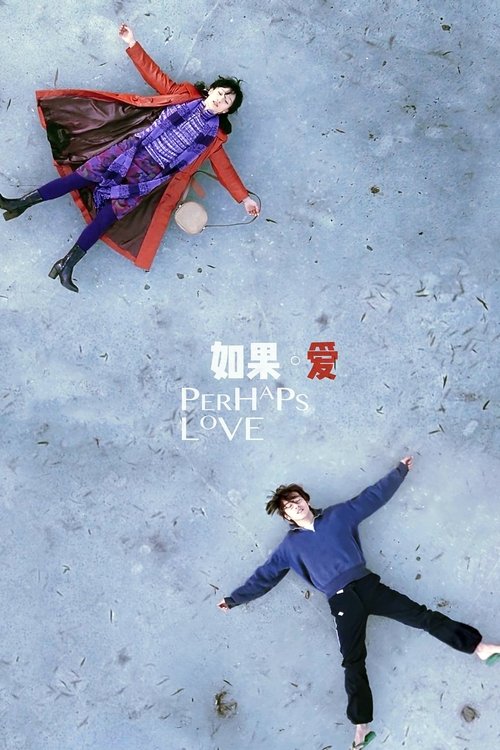
Perhaps Love
2005
No user ratings available yet
Representation score: 6.1 out of 10
No Poster Available
Representation Score
Fair
1998
Director
Paul Wagner
Runtime
97 minutes
Average Rating
No ratings yetNew Showbiz Analysis
Windhorse is a significant film that breaks away from conventional, homogeneous storytelling by focusing on the Tibetan experience. It centers the lives of Tibetan individuals to explore the tension between personal freedom and state control. The film's key strength lies in its authentic representation of Tibetan culture and language, providing substantial ability to act to its characters. However, it lacks representation of LGBTQ+ identities and does not address disabilities, maintaining a narrow focus on socio-political and religious issues.
Category Breakdown
The film does not include any LGBTQ+ characters or non-cisgender identities. The story focuses on the socio-political and religious aspects of the Tibetan experience.
Female characters are shown taking active roles, such as a pop star dealing with state expectations and a nun facing consequences for activism. The film avoids one-dimensional portrayals but does not explicitly challenge traditional hierarchies.
The film stands out for its authentic ethnic representation, featuring a Tibetan cast. It avoids whitewashing, ensuring characters of color are the main actors in their own stories.
The story emphasizes the preservation of non-Western traditions and religious autonomy. It highlights the tension between indigenous spiritual practices and state-imposed political pressures.
There is no significant evidence regarding the portrayal of visible or invisible disabilities within the film.
Present on Screen
Limited or Absent
Official Synopsis
Follows three young Tibetans faced with moral dilemmas: a rising pop star asked by her Chinese official boyfriend to sing pro-government songs; her brother, an embittered drunk; and their cousin, a Buddhist nun savagely beaten after shouting anti-Chinese slogans.
2005
1998

2006

2002
1995

2005
2001
1964
No reviews yet. Be the first to share your thoughts on this movie!
Use the rating form above to leave a star rating and optional review.