
Time for School: 2003-2016
2016
No user ratings available yet
Representation score: 6.8 out of 10
Representation Score
Good
2013
Not RatedDirector
Pascal Plisson
Runtime
77 minutes
Average Rating
No ratings yetNew Showbiz Analysis
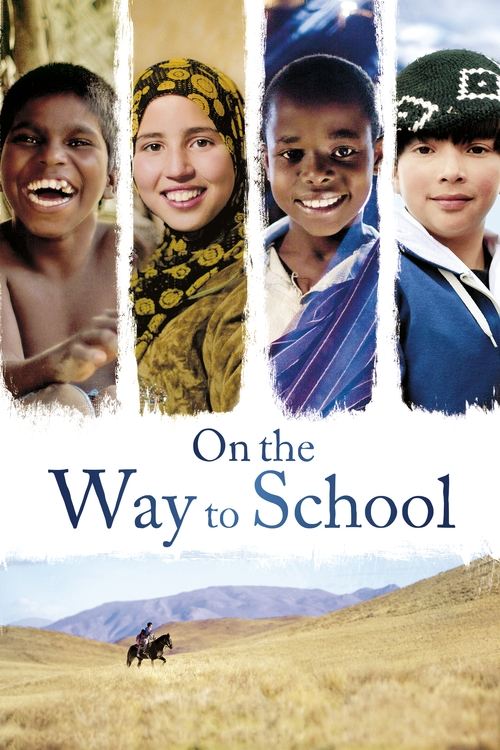
Pascal Plisson’s documentary offers a sophisticated global study of educational access. By centering the lived experiences of children in the Global South, the film challenges Western-centric views on childhood and development. It highlights the systemic disparities in infrastructure and the physical toll of pursuing knowledge. The film's strength lies in its ability to break down conventional narratives of childhood. It connects diverse geographic realities through a non-linear structure that emphasizes resilience within systemic constraints. While the film lacks LGBTQ+ representation, it excels in showcasing racial and disability inclusion. It treats its subjects with dignity, avoiding clichés like 'inspiration porn' in favor of authentic, functional depictions of daily life.
Category Breakdown
The documentary focuses on the universal struggle for education in rural contexts. It does not include any visible representations of LGBTQ+ identities or narratives.
The film presents a balanced view of gendered roles. By documenting both boys and girls facing similar physical challenges, it avoids reinforcing traditional gender stereotypes.
The film excels by focusing on non-Western, non-white subjects. It provides a deep look at diverse ethnic identities across Africa, Asia, and South America through observational cinema.
The narrative implicitly criticizes global economic structures and systemic neglect. It prioritizes the dignity of the struggle over Western notions of comfort or safety.
The inclusion of Samuel from India provides significant representation of multiple aspects of identity. The film depicts his reliance on a homemade wheelchair as a functional, integrated part of his daily life.
Present on Screen
Limited or Absent
Official Synopsis
These children live in the four corners of the earth, but share the same thirst for learning. They understand that only education will allow them a better future and that is why, every day, they must set out on the long and perilous journey that will lead them to knowledge. Jackson and his younger sister from Kenya walk 15 kilometres each way through a savannah populated by wild animals; Carlito rides more than 18 kilometres twice a day with his younger sister, across the plains of Argentina; Zahira lives in the Moroccan Atlas Mountains who has an exhausting 22 kilometres walk along punishing mountain paths before she reaches her boarding school; Samuel from India sits in a clumsy DIY wheelchair and the 4 kilometres journey is an ordeal each day, as his two younger brothers have to push him all the way to school…
2016
2002
2021
2010
2005
2016
2015

2015
No reviews yet. Be the first to share your thoughts on this movie!
Use the rating form above to leave a star rating and optional review.